How to Actually Finish the Online Courses You Start (7 Proven Tactics)
Korshub Team
May 5, 20265 min read24 views

Buying a course is easy. Finishing it is the hard part, and the numbers are brutal: large studies of open online courses have found completion rates in the low single digits to around fifteen percent. Most people who enrol simply drift away somewhere in the first few modules.
The good news is that non-completion is rarely about intelligence or even discipline. It's usually a design problem, courses are long and self-paced, life is busy, and nothing forces you back. Fix the design of your learning and the finish rate climbs. Here are seven tactics that target the real reasons courses stall.
Advertisement
1. Pick one course and pause the rest
The fastest way to finish nothing is to start everything. A wishlist of ten half-watched courses splits your attention and makes each one feel like a chore. Commit to a single active course at a time and treat the others as parked, not abandoned. Because most course purchases give you permanent access, there's no cost to waiting; the ones you set aside will still be there.
Monogamy with your current course is the highest-leverage change on this list, and it costs nothing but the discomfort of saying "not yet" to shiny new material.
2. Schedule it like an appointment
"I'll study when I have time" reliably becomes "I never had time." Self-paced is a trap because it quietly means unscheduled. Put specific sessions in your calendar, same days, same times, and defend them the way you'd defend a meeting. Consistency matters more than length: three or four thirty-minute blocks a week you actually keep will beat a heroic Sunday marathon you skip half the time.
If you want a system for protecting those blocks against a busy schedule, a focused course like Complete Time Management Course: Raise Personal Productivity is built exactly around making time for the things that keep slipping.
3. Shrink the next step until it's almost too easy
Big goals ("finish this 40-hour course") are paralysing. Tiny goals ("watch the next one lecture") get you moving, and starting is usually the whole battle. Define the next action so small it feels trivial: one lecture, one exercise, one page of notes. Momentum does the rest, because once you've started a session you'll almost always do more than the minimum you promised.
You don't finish a course by deciding to finish it. You finish it by making the next fifteen minutes small enough that you can't talk yourself out of them.
4. Learn how learning works
A surprising amount of course abandonment comes from friction that better technique removes. When material feels confusing or nothing sticks, motivation drains and quitting starts to look reasonable. Understanding how memory and focus actually operate, why you forget, how to move past a stuck point, how to balance concentrated effort with rest, makes the whole process less discouraging.
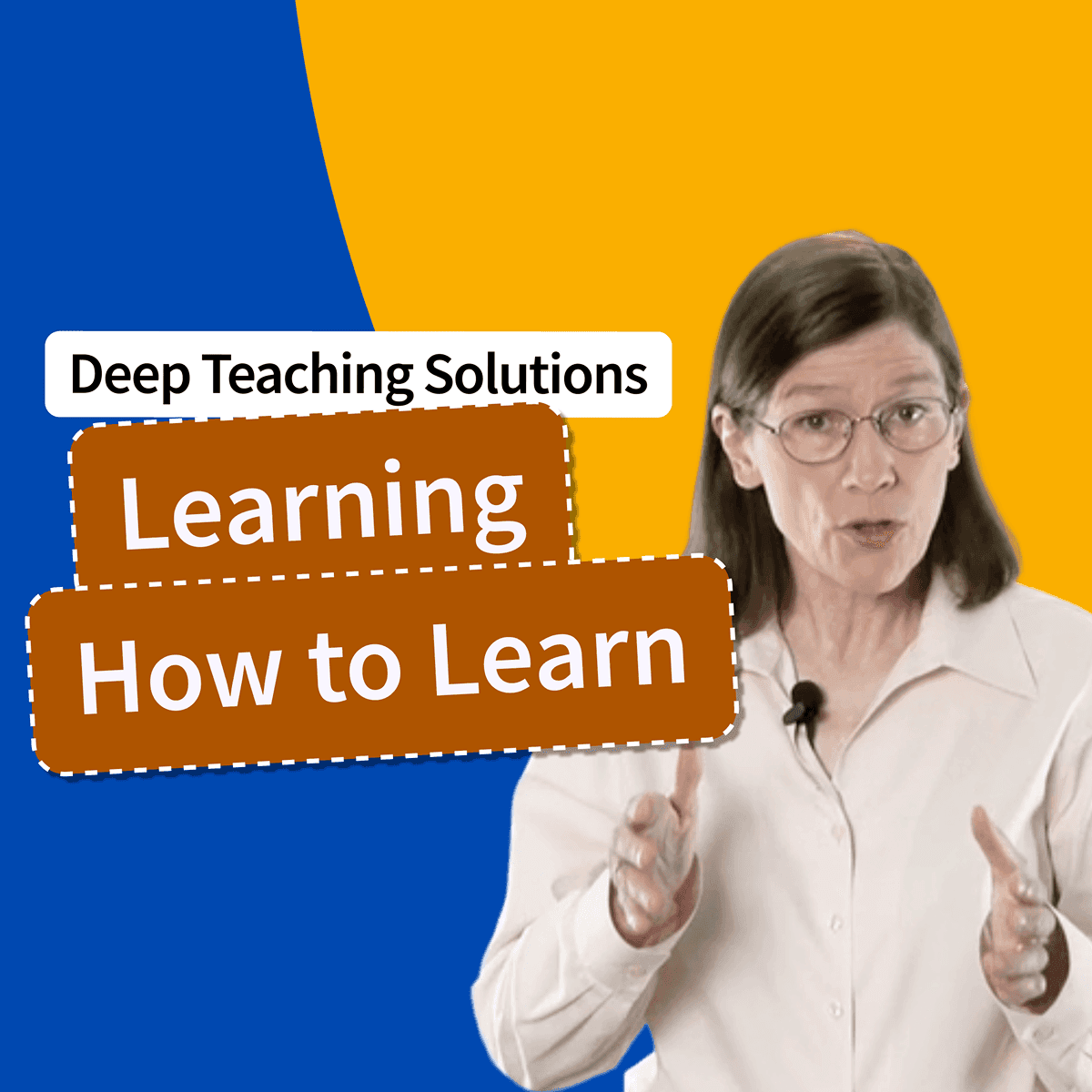
The definitive primer here is Learning How to Learn, one of the most-taken courses anywhere and free to audit. It's short, and the concepts (focused versus diffuse thinking, chunking, beating procrastination) apply to every other course you'll ever take.