Udemy
 Udemy
UdemyMark your own learning status. Opening a course link does not establish enrollment.
This course breaks down fire prevention into its underlying chemistry — heat, oxygen, and fuel — and builds outward from there into detection, extinguishing, and prevention practices. It moves through the four stages of fire, detection methods, extinguisher classes matched to fire types, evacuation procedures, and control of ignition sources, before covering two common industrial fire causes in detail: gas cylinder handling and electrical fires.
Anyone who wants a clear, simply explained foundation in fire safety, including workers in industrial settings where gas cylinders and electrical equipment are common fire risks.
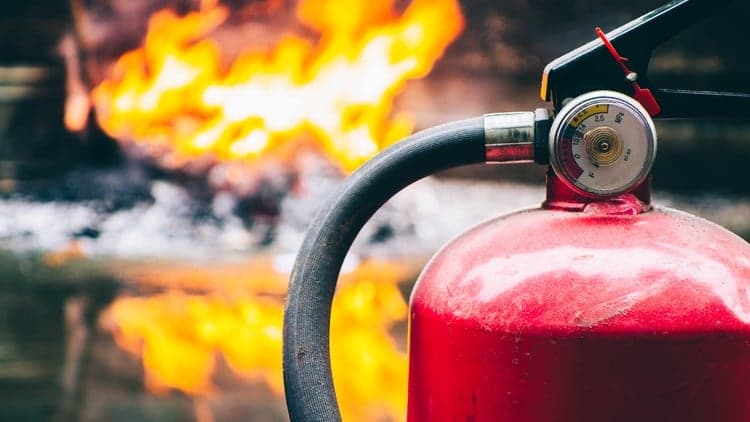
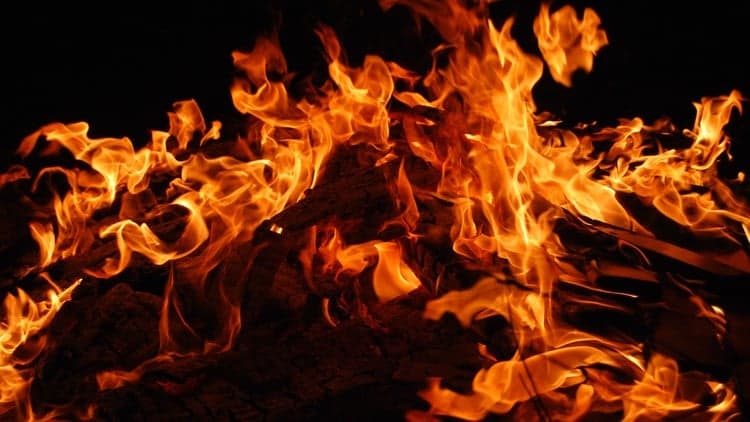
A fire needs three elements - heat, oxygen and fuel. Without heat, oxygen and fuel, a fire will not start or spread. Fire is a good servant , but a bad master. It is important that one understands about the basic fire chemistry and how it can be prevented.
The Objectives of this course is as follow as:
a) the introduction is given about fire and the learning objectives are briefed
b) the definition of fire and other few definitions related to fire are explained
c) Few definitions related to fire safety is explained
d) Process of fire – The fire chemistry is explained in this video
e) Stages of fire – The four stages of fire are explained
f) Fire detection and principle of extinguishing – In this chapter, types of fire, class of fire extinguishers and the fire detection methods are explained.
g) Evacuation procedure, site fire prevention and control of ignition sources are also explained.
h) Gas cylinder is one of the major causes of fire in industries. So, the handling and storage of compressed gas cylinders are explained illustratively.
i) How to prevent and control electrical fire is briefed
j) The videos and the notes are made so simple that the learner understands the contents in a simple way.
I am sure, the learners understand the basic fire prevention and fire fighting clearly. Please post your feedback to improve the contents if any.
Advertisement
The Complete Fire Fighting with AutoCAD,Elite,Excel & NFPA