
Other
Free Other
Mark your own learning status. Opening a course link does not establish enrollment.
Loading saved status…
This course is an introduction to what building information modelling means in practice. It opens with the history of the approach and a comparison with computer-aided design, which is the clearest way to see what a model adds beyond drawings.
The course traces the stages of rolling BIM out across an organisation, since change has to be staged and planned. It also surveys the software used for planning, design and management in construction and infrastructure work.
It is a conceptual overview, so it works well before choosing a specific software track.
Building information modelling (BIM) is a technology-based method of managing information in the architecture, engineering and construction industries. BIM enables project teams to collaborate, share information and track project costs through the use of digital tools, making project management much easier and more standardised. This course teaches you the concepts of BIM and explains how it is used in design, construction and architecture. We begin with an overview of BIM as we outline its history and benefits and compare it to computer-aided design (CAD). We then examine various models of BIM.
The implementation of BIM requires extensive planning and preparation as change must be implemented in stages supported by meticulous planning and execution. We trace the phases of BIM implementation and describe the various BIM software and tools used in the construction industry for building and infrastructure planning, design and management. We show you how project owners can significantly benefit from this process and discuss BIM’s benefits for facility managers. The course demonstrates the application of BIM and its various aspects in architecture, engineering, construction and design.
The future of BIM is to use the model at all stages to improve collaboration. The use of end-to-end models via cloud technology will be more important in the future of BIM. This course provides a glimpse into the future of BIM and explores its current trends and challenges. Implementing BIM in the construction process improves project outcomes and increases customer satisfaction. BIM is an essential tool for the construction industry's growth and success in the digital age. Sign up for this course to learn how BIM aids project management and plays a key role in the construction industry.
Advertisement

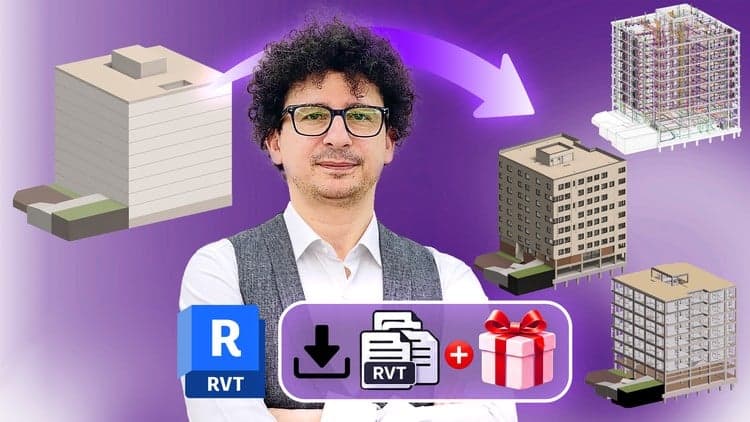
BIM Modeling Project- Revit Architecture + Structural + MEP
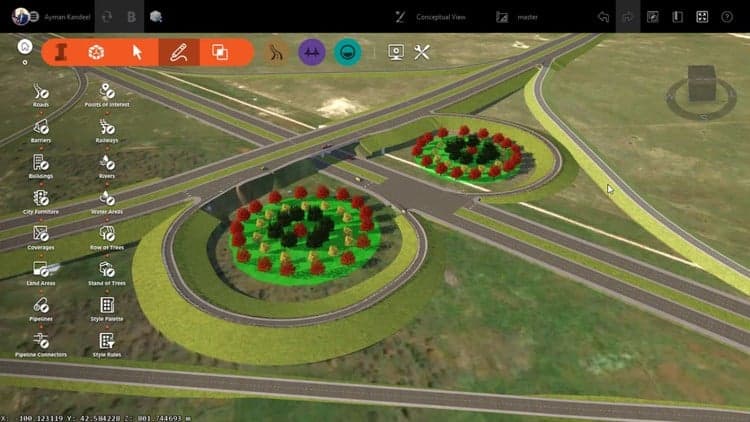
BIM applications for Roads, Highways & Transportation design
No Korshub reviews yet.