Udemy
Free Udemy
UdemyMark your own learning status. Opening a course link does not establish enrollment.
Rather than pitching Bitcoin as either a revolution or a scam, this workshop places it inside the long arc of monetary history. It traces how societies moved from gold to fiat currency, examines what actually backs a dollar's value, and explains how money is created today through fractional reserve banking and quantitative easing — before turning to whether Bitcoin and other cryptocurrencies have a lasting role to play.
Both "coiners" and skeptics who want to understand the arguments for and against cryptocurrency as an asset class, grounded in a broader understanding of how money itself has evolved.
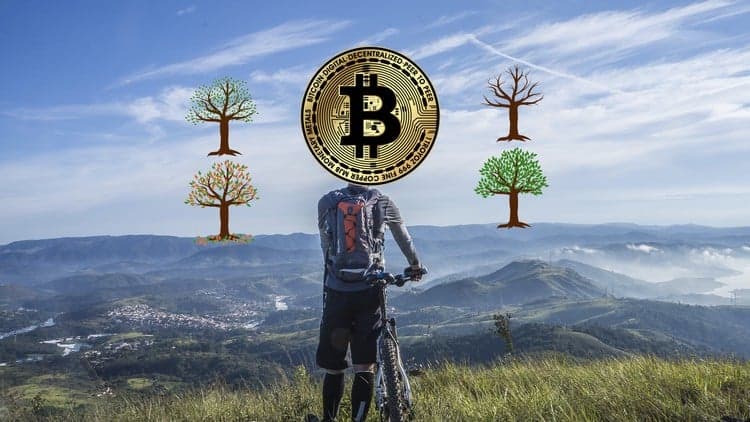
Bitcoin - the future? or a bubble?
Whether you are a bitcoin convert (a "coiner") or a bitcoin sceptic (a "no coiner"), understanding the core arguments is key in assessing whether this asset class has 'intrinsic value' is important for every investor. While we don't have a crystal ball, this workshop aims to unlock exactly what role bitcoin and other cryptocurrencies might play as the global economy develops.
Taking you on an historical journey through the history of money we will show how society adopted gold as a currency and how gold gave rise to the fiat currencies in use today. We will try to uncover exactly what a dollar is worth, why gold retains its value (even today) and the advantages and disadvantages of fiat currencies.
We will look at how money is created today - by Commercial Banks using a process called Fractional Reserving - and Central Banks using a process called Quantitative Easing. We will look at the effects of all this money printing, and whether Modern Monetary Theory (MMT) really is the 'new normal' for economic thinking.
Finally we will examine whether cryptocurrencies really are here to stay, or whether they are a passing phase that will soon be consigned to the dustbin of history.
I hope you find this workshop both informative and enjoyable!
Advertisement