Udemy
Free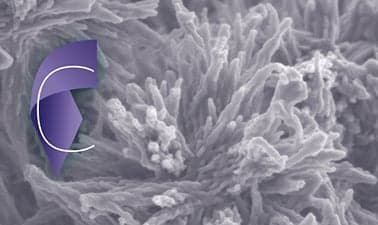 edX
edXPrice
No active coupon right now
View Course →No coupon right now. We'll tell you when there is one.
Mark your own learning status. Opening a course link does not establish enrollment.
Concrete is everywhere, but how it becomes strong remains a mystery to most people who use it. This 6-week course demystifies cement by teaching you its chemistry, how it's manufactured, and what happens when water triggers the hydration process that gives concrete its legendary durability. You'll move from theory to hands-on practice: testing samples using isocalorimetry, observing hydration under a scanning electron microscope, and applying X-ray diffraction to understand cement structure at the atomic level.
Designed for beginners yet rigorous enough for early-career engineers and chemists, the course addresses a key challenge of our time: making cement more sustainable without sacrificing the performance we depend on.
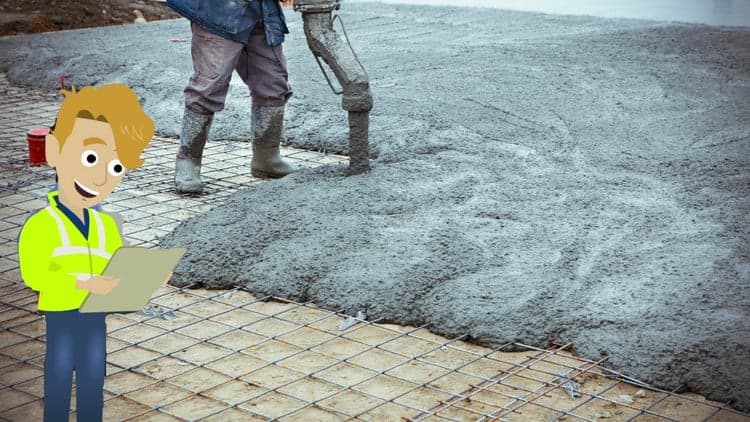
Every day, we see concrete used all around us – to build our houses, offices, schools, bridges, and infrastructure. But few people actually understand what gives concrete its strength, resistance, and utility.
The aim of this course is to offer basic cement chemistry to practitioners, as well as new students in the fields of chemistry and engineering.
You will learn how cement is made and hydrated, as well as the environmental and economical benefits it offers. You’ll learn to test your samples in isocalorimetry in order to track the hydration and to prepare and observe samples by scanning electron microscopy. In the last two weeks of the course, you will also learn how X-ray diffraction works and how to apply it to cements.
Because the course is designed for beginning students, it’s not necessary to have a cement background, however a bachelor degree in Materials Science or knowledge in chemistry, physics and crystallography will help. This course starts with basics of cement, and progressively covers the latest advances in the understanding of cement hydration. This course lasts 6 weeks, during which you can take theoretical courses and tutorials to test the cement in the laboratory.
Advertisement
This is what we recorded in US pricing — not every price this course has ever had, and prices differ by country.




The Industry and Profession in Construction Management