Udemy
 Udemy
UdemyMark your own learning status. Opening a course link does not establish enrollment.
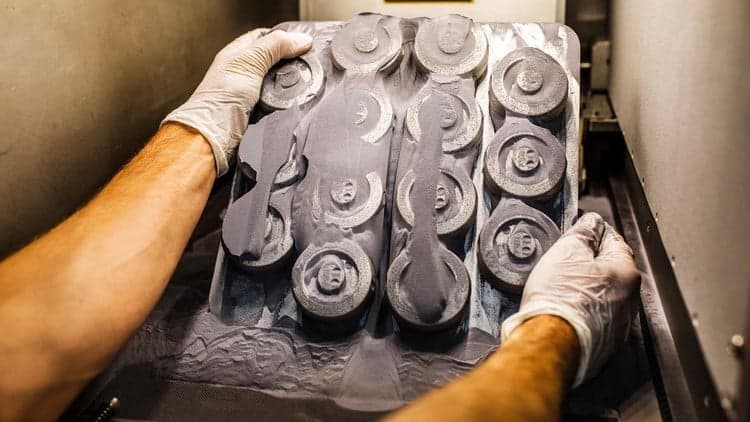
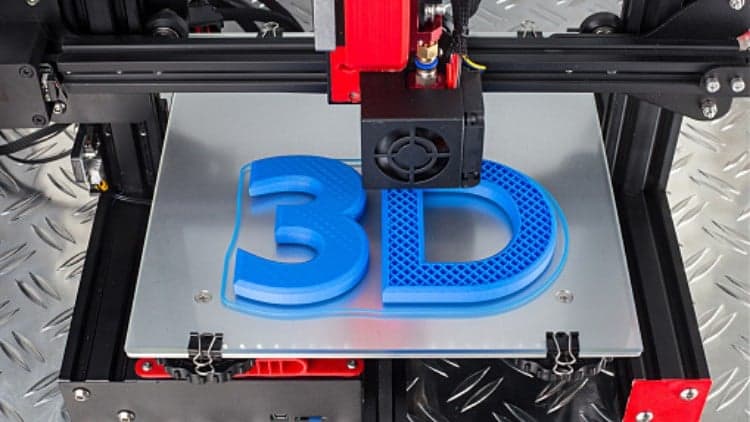
This course introduces additive manufacturing, better known as 3D printing, as an industrial production method rather than just a hobbyist tool. It covers what additive manufacturing is, how it's used in production, and what a creator should consider before choosing it over conventional manufacturing.
The course frames additive manufacturing's key strengths, design freedom, shorter lead times, viability for low-volume runs, and the ability to produce complex geometry that conventional processes can't, against its real limitations, giving a balanced starting point rather than a sales pitch.
It suits beginners who want a conceptual grounding in 3D printing before applying it to product design or manufacturing work.
Additive manufacturing, also known as 3D printing, is revolutionizing the way products are designed, manufactured, and serviced.
Additive manufacturing provides on-demand manufacturing without specialized equipment, opens digital design tools, and provides breakthrough performance and unrivaled flexibility in various industries.
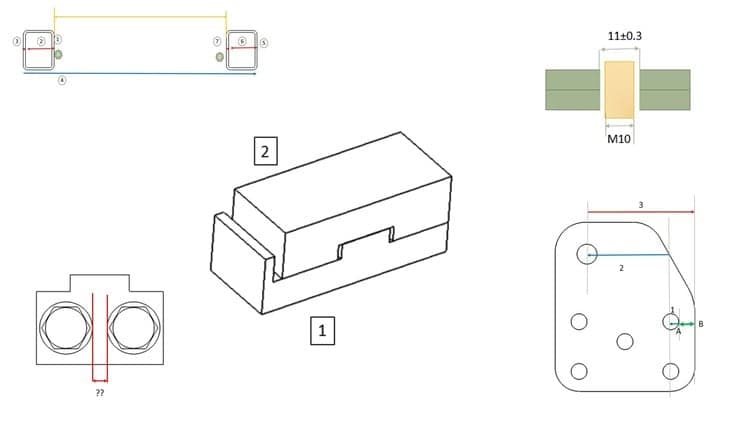
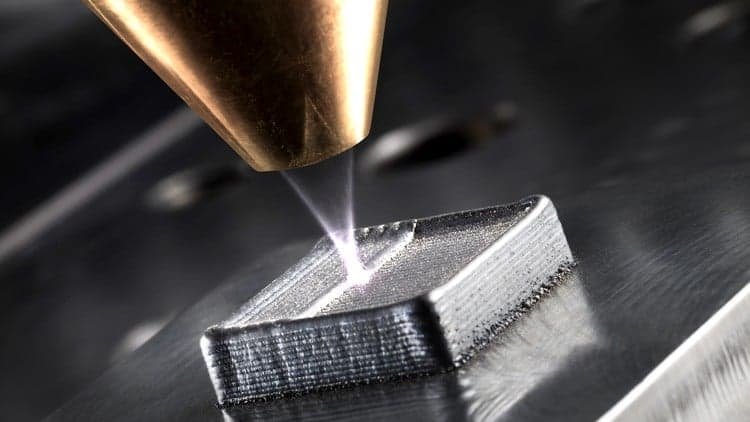
You'll learn about the notion of additive manufacturing, how it's used in production, and what creates should think about when deciding whether or not to use it. We'll cover additive manufacturing processes, the advantages, and limitations of these processes, and the approaches to be used in considering the material properties and design for additive manufacturing.
Advantages of Additive Manufacturing:
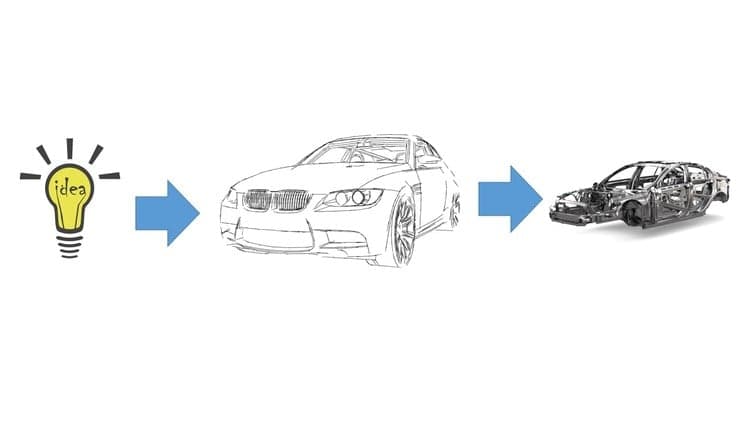
Freedom of Design: All you need is the digital 3D model of component appearance.
Shorter Lead Times: You can save a lot of time by reducing the load of work, equipment, and materials.
Low-Volume Manufacturing: This method is useful for specialized entities that you don't need much of.
Ability to Design Complex Geometry: 3D printing captures complexity that conventional manufacturing processes do not.
Cost-Effective: Initial investment in tools and printing equipment is high, but significant cost savings are realized throughout the manufacturing process.
3D printing is one of the cutting-edge technologies developed to date and has great potential for future applications in the manufacturing industry.
A hands-on course detailing the introduction to additive manufacturing can help you develop your knowledge of 3D printing. If you wish to acquire the engineering skills necessary to master the art of product design and manufacturing.
Advertisement