Udemy
Free Coursera
Access
Coursera PlusIncluded with a Coursera subscription
This course is included with a Coursera Plus subscription.
View on Coursera →No coupon right now. We'll tell you when there is one.
Mark your own learning status. Opening a course link does not establish enrollment.
Johns Hopkins built this specialization around the concepts that make functional MRI and other neuroimaging techniques actually interpretable — not just how the scanners work, but the neurology, hemodynamics, and research design behind reading the results correctly.
Pitched at the intermediate level, it assumes some prior science or anatomy background and builds from there into genuinely technical territory. With over 30,000 learners, it's a solid choice for psychology, biology, or pre-med students who want to understand neuroimaging methods rather than just the headline findings they produce.
Skills you'll gain: Medical Imaging, Anatomy, Magnetic Resonance Imaging, Research Design, Neurology, Psychology, Hemodynamics, Medical Terminology, Biochemistry, Radiology, Experimentation, Image Analysis.
Advertisement

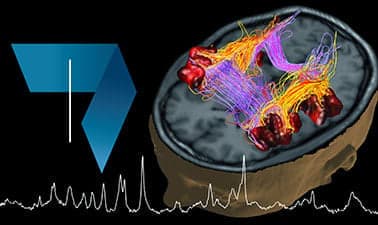
Fundamentals of Biomedical Imaging: Magnetic Resonance Imaging (MRI)
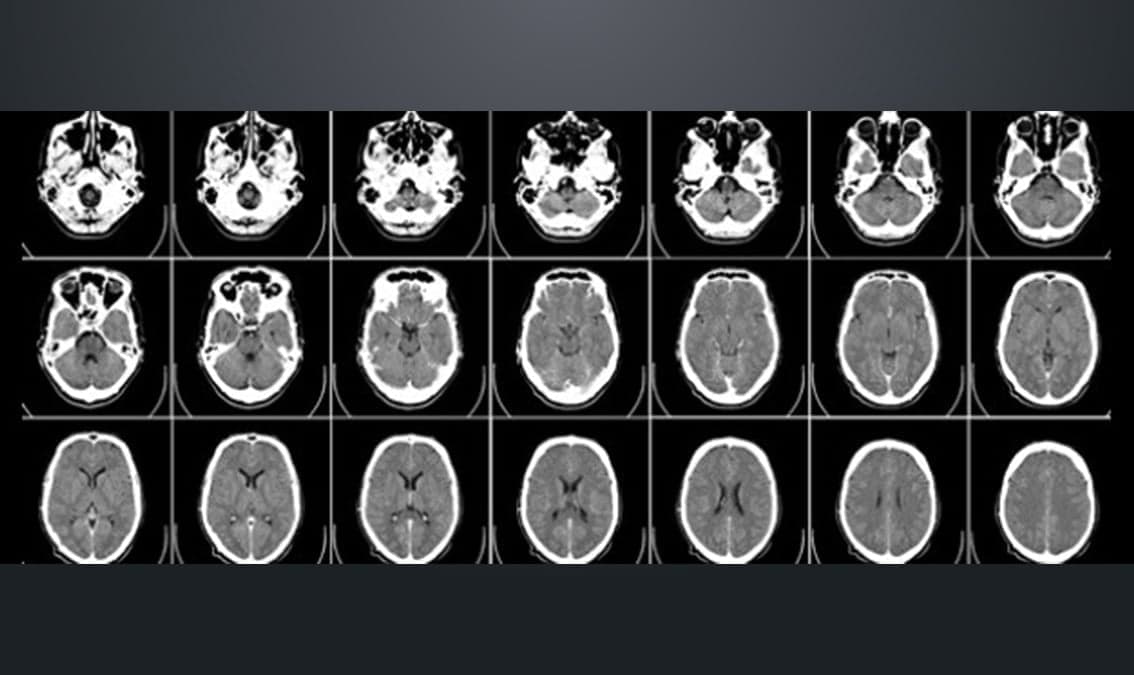
Learning and memory in the brain: a guide for teachers