edX
 edX
edXPrice
No active coupon right now
View Course →No coupon right now. We'll tell you when there is one.
Mark your own learning status. Opening a course link does not establish enrollment.
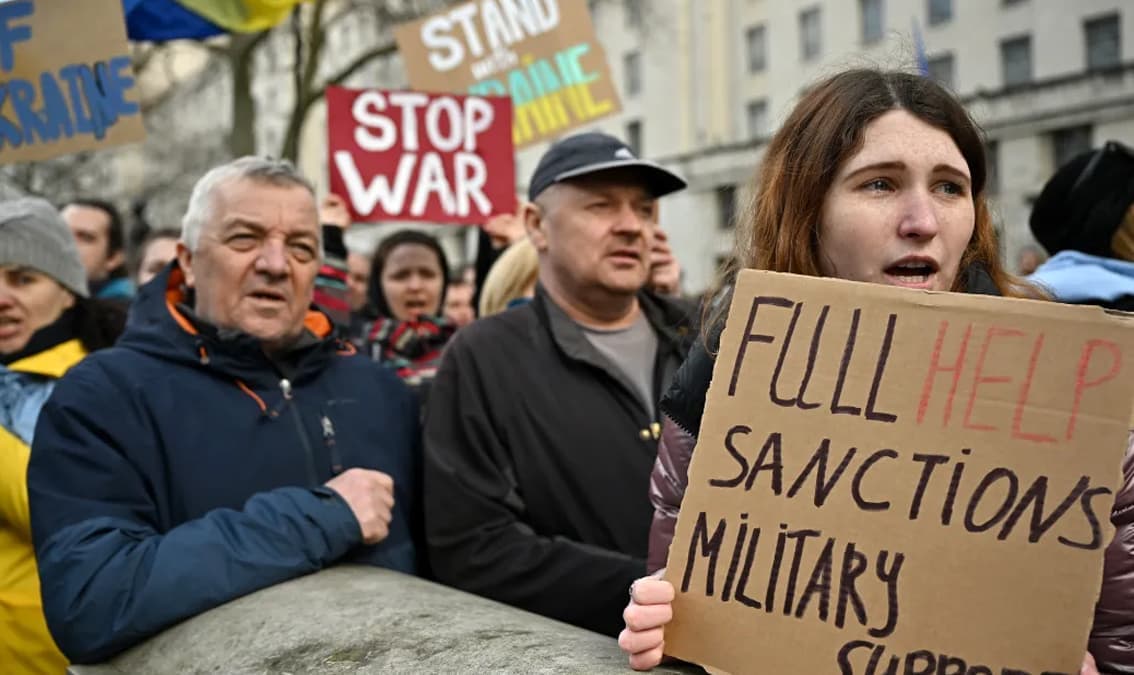
Sanctions are everywhere in foreign policy—the US, EU, and others use them constantly to change behavior without military force. But how do they actually work? This short, focused course from King's College London explains the mechanics: from comprehensive embargoes to surgical targeted sanctions, from theory to real cases, and crucially, how states and non-state actors find ways around them.
Led by a security specialist, the course cuts through the rhetoric to show what sanctions can and can't do, how deterrence and compellence work differently, and what the evidence says about effectiveness. It's digestible—five hours total—and designed for leaders, diplomats, and anyone trying to understand modern statecraft.
Best for: Foreign policy professionals, diplomats, international business leaders, and those following global affairs closely.
Sanctions are among the most frequently used tools in diplomacy and foreign policy. For many states, they represent a key strategy of statecraft — shaping international behaviour without the use of force.
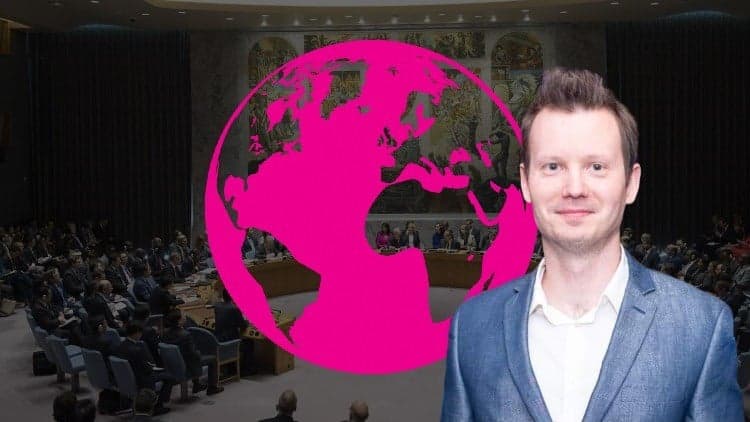
In this self-paced course from King’s College London, you will explore how sanctions function in the international system. Led by Professor Matthew Moran, a specialist in international security, the course blends theory with real-world case studies, examining:
The purpose and varieties of sanctions used to exert coercive influence
How sanctions operate within broader strategies of deterrence and compellence
The shift from comprehensive to targeted sanctions and its significance
The role of multilateral and unilateral actors in sanctions regimes
How states and non-state actors resist, evade, or adapt to sanctions
Through applied learning and critical analysis, you’ll gain a clear understanding of how sanctions are designed, implemented, and contested in today’s global security environment.
This is a short course that can be completed in 5 hours — designed to be flexible and fit into your schedule.
Advertisement
This is what we recorded in US pricing — not every price this course has ever had, and prices differ by country.

Sanctions Compliance Bootcamp – Including AML/KYC Lectures