Udemy
Free Udemy
UdemyMark your own learning status. Opening a course link does not establish enrollment.
This course introduces Decorative Silambattam, a style that combines the strength and elegance long associated with this weapon-based Indian martial art. Silambam traces back to at least the 4th century BC in South India, originally developed for self-defense and defense against animals before evolving into the structured martial art practiced today.
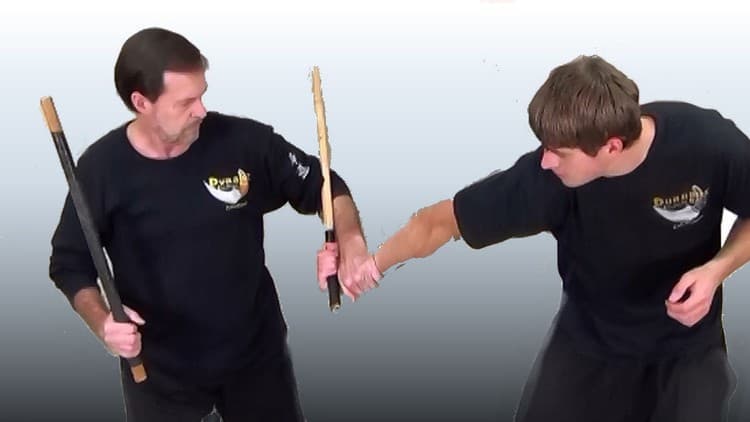
The course centers on the bamboo stick that gives Silambam its name, used extensively throughout the lessons. Staff length is personal — ideally reaching about three fingers above your forehead so your hand rests comfortably at the stick's midpoint.
Silambam carries real historical weight: armies under Kings Puli Thevar and Dheeran Chinnamalai included dedicated Silambam soldiers, and figures like Veerapandiya Kattabomman relied on it in resistance against British forces. Though colonial rule later suppressed it in favor of modern military training, Silambam survived thanks to its deep cultural roots — and this course carries that lineage forward for beginners.
In this course, we'll explore Decorative Silambattam which captures both the strength and elegance of this age-old marital art.
Since at least the 4th century BC and originating in South India in the Indian subcontinent, Silambam has existed as a weapon-based Indian martial art. It may have been used before for self defense and defense against animals and later became the current martial art. Silambam got its name from its main weapon, the bamboo stick which we will be using extensively throughout this course. The length of the staff depends on how tall you are. Ideally, it should just touch your forehead about three fingers from your head so your hand can rest comfortably in the middle of the Silambam stick.
The Kings Puli Thevar and Dheeran Chinnamalai had armies of Silambam soldiers named "Thadii Pattalam." Veerapandiya Kattabomman, Chinna Maruthu and Periya Maruthu relied mainly on their Silambam prowess in warfare against the British Army. Unfortunately, Indian martial arts and other related martial arts practices suffered a decline after the British colonists banned Silambam and promoted modern military training, which favored firearms over traditional weaponry. However and luckily for us, because of its strong cultural importance, Silambam has persevered throughout the centuries.
Advertisement