Udemy
 Udemy
UdemyMark your own learning status. Opening a course link does not establish enrollment.
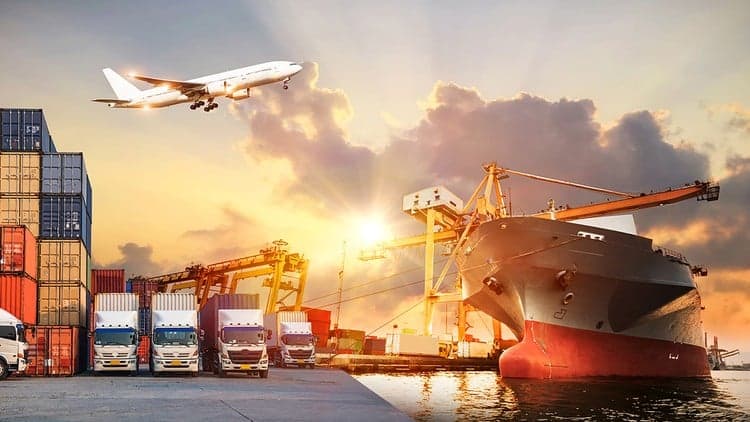
This course maps the entire supply chain in sequence, starting at market research and product development and following the journey through demand and supply planning, manufacturing, quality inspection, and packaging. From there it tracks the logistics side: freight booking, export documentation, loading, and customs clearance at origin, through international shipping, arrival and customs clearance at the destination, and on to inland transportation, warehousing, and distribution.
It closes the loop with what happens after delivery — customer experience, returns and reverse logistics, and product disposal or redistribution — giving a genuinely end-to-end view rather than stopping at "delivered."
Best suited for: newcomers building a foundation in logistics and supply chain management, primarily around non-food products, though the course notes that many of its principles carry over to FMCG as well.
Welcome to this SCM Course!
This course offers a comprehensive introduction to the end-to-end processes that drive logistics and supply chain.
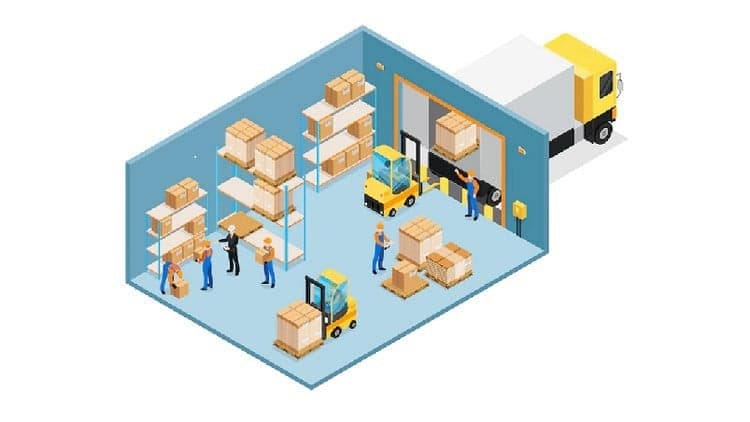
Through a structured, step-by-step approach, you’ll gain valuable insights and practical knowledge starting from market research and product development, through demand and supply planning, manufacturing, quality inspection, and packaging and labeling. You’ll then follow the journey of goods through critical logistics stages including freight booking, export documentation, loading, and customs clearance in the country of origin. The course continues through international shipping, arrival at the destination port, and customs clearance, all the way to inland transportation, delivery, warehousing, and distribution. Finally, it explores post-delivery aspects like customer experience, returns and reverse logistics, and product disposal or redistribution.
Whether you're new to the field or looking to deepen your expertise, this course equips you with a practical understanding of how goods move from concept to consumer, preparing you for success in a dynamic and essential industry. It opens the door to many exciting career opportunities in a wide range of industries inside logistics and supply chain management, making you a valuable asset in today's global marketplace.
It's important to note that this course offers a broad comprehension of supply chain management, primarily concentrating on non-food products across diverse industries rather than focusing on any particular sector or FMCG (fast-moving consumer goods). Nevertheless, it's noteworthy that numerous principles discussed herein apply to FMCG. FMCG pertains to low-cost items with a short shelf life that are regularly consumed, such as food.
Advertisement
Inventory Management A-Z: Supply Chain & Business Operations