edX
 edX
edXPrice
No active coupon right now
View Course →No coupon right now. We'll tell you when there is one.
Mark your own learning status. Opening a course link does not establish enrollment.
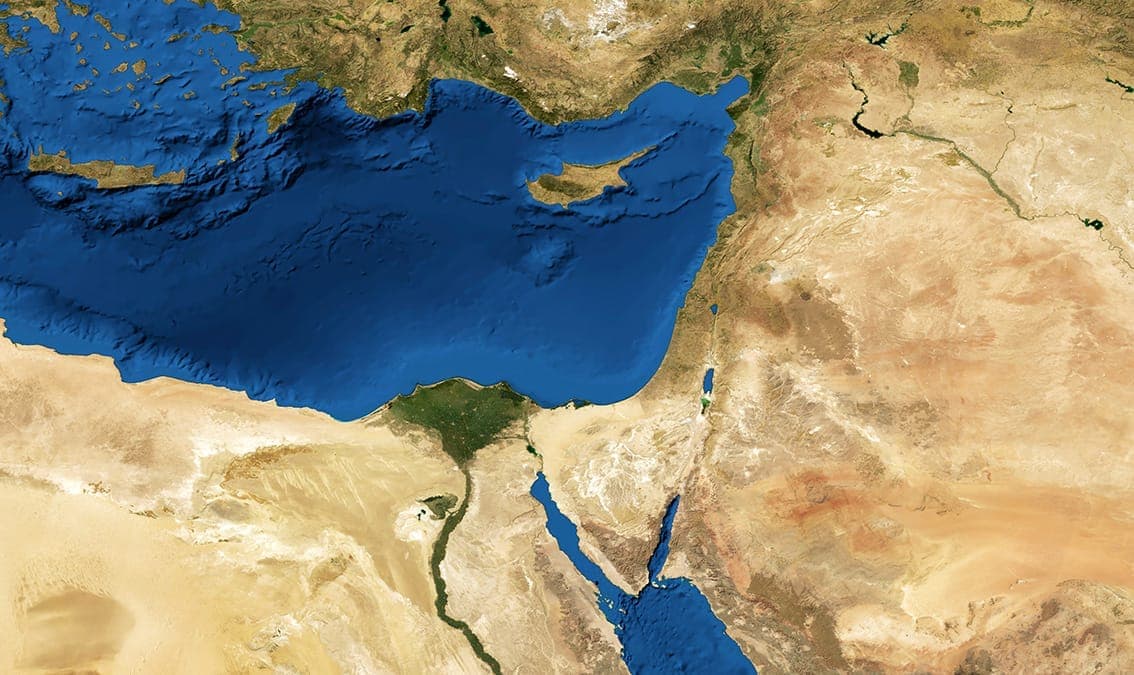
The modern Middle East and North Africa cannot be understood without understanding how empires collapsed. The Ottoman, British, and French dominance of MENA ended after World War II, but the structures they left shaped everything that followed.
This King's College London course charts the aftermath: how newly independent states negotiated their identity and sovereignty, how nationalist movements reshaped politics, how former colonial powers remained influential. The course focuses on pivotal 20th-century moments—independence, wars, political upheaval—as windows into understanding current tensions.
The payoff is practical. By tracing how today's conflicts and alliances took root in decolonization, you'll understand diplomatic decisions, security concerns, and economic relationships that otherwise look disconnected or irrational. For professionals in diplomacy, security, development, or business operating in the region, or for anyone seeking depth on a region whose future matters globally.
The modern Middle East and North Africa (MENA) were shaped by the legacy of colonialism. This course explores the collapse of the Ottoman, British and French empires after World War II and examines how pivotal 20th-century events continue to define political, economic, and diplomatic relationships in the region. By understanding the region’s recent past, you’ll gain a nuanced understanding of the critical challenges that MENA countries face today.
Guided by Professor Jonathan Hill, Director of the Institute of Middle Eastern Studies at King’s College London, this course explores the region’s modern history through 5 interactive units. It charts the decline of Europe’s empires in the region from the 1930s onwards. Each unit focuses on a different critical moment and group in the region. The course will examine how nationalist and anti-colonial movements rose to power, how newly independent states navigated relations with former colonial rulers, and how global powers continue to influence the region’s future.
This course will be of particular interest to professionals and students working with and in the Middle East and North Africa. By the end of the course, you’ll be able to apply historical insight to current events, policy decisions, and professional work in diplomacy, development, security, or business.
This course consists of 5 hours of structured study and 3 hours of self-directed study — designed to be flexible and to fit into your schedule.
Advertisement
This is what we recorded in US pricing — not every price this course has ever had, and prices differ by country.