Digital Marketing Course: Complete Guide to Skills, Careers and Certifications
Subham Chand
Sep 9, 20265 min read49 views

A digital marketing course teaches you how to attract audiences, promote products and generate measurable results through online channels. It can be useful for students, job seekers, freelancers, creators and business owners who want practical marketing skills. A complete course usually covers search engine optimization (SEO), social media marketing, content creation, email marketing, paid advertising, analytics and artificial intelligence.
The best programme teaches you to research an audience, plan campaigns, select suitable channels and improve results.
Advertisement
What Is a Digital Marketing Course?
A digital marketing course is a structured training programme focused on promoting a brand, product or service online. Courses may be delivered through recorded lessons, live classes, practical workshops or self-paced modules. Some provide a certificate, while others focus more heavily on projects and portfolio development.
A digital marketing course for beginners normally introduces the customer journey, marketing funnels and major digital channels. Advanced courses may cover conversion optimization, automation, attribution, campaign budgeting and detailed performance analysis. Your ideal level depends on whether you are exploring the field, preparing for a job or developing a specific business skill.
What Should a Digital Marketing Course Cover?
A useful curriculum should combine strategy, creativity and data. Look for training in these core areas:
SEO: Keyword research, search intent, on-page optimization, technical SEO and content performance.
Content marketing: Audience-focused articles, videos, social posts and lead-generation content.
Social media marketing: Platform strategy, content planning, community building and campaign measurement.
Email marketing: List building, segmentation, campaign creation, automation and testing.
Paid advertising: Google Ads, social advertising, targeting, bidding, budgeting and conversion tracking.
Analytics: Traffic analysis, campaign reporting, attribution and return on investment.
AI and automation: Responsible use of AI for research, content support, personalization and repetitive workflows.
The modules should connect these skills. SEO can attract visitors, content can build trust, email can nurture leads and analytics can reveal which activities contribute to conversions.
Why Learn Digital Marketing?
Digital marketing skills are relevant across ecommerce, education, technology, healthcare, hospitality and finance. Businesses need people who can understand customers and connect campaigns with meaningful outcomes. Research, copywriting and reporting also develop transferable skills.
Entrepreneurs can use digital marketing knowledge to promote their businesses and evaluate agencies or freelancers more confidently. Freelancers can specialize in services such as SEO, social media management, email campaigns, content marketing or paid advertising. Creators and instructors can combine search, social media and email to build discoverability without depending on one platform alone.
Free vs Paid Digital Marketing Courses
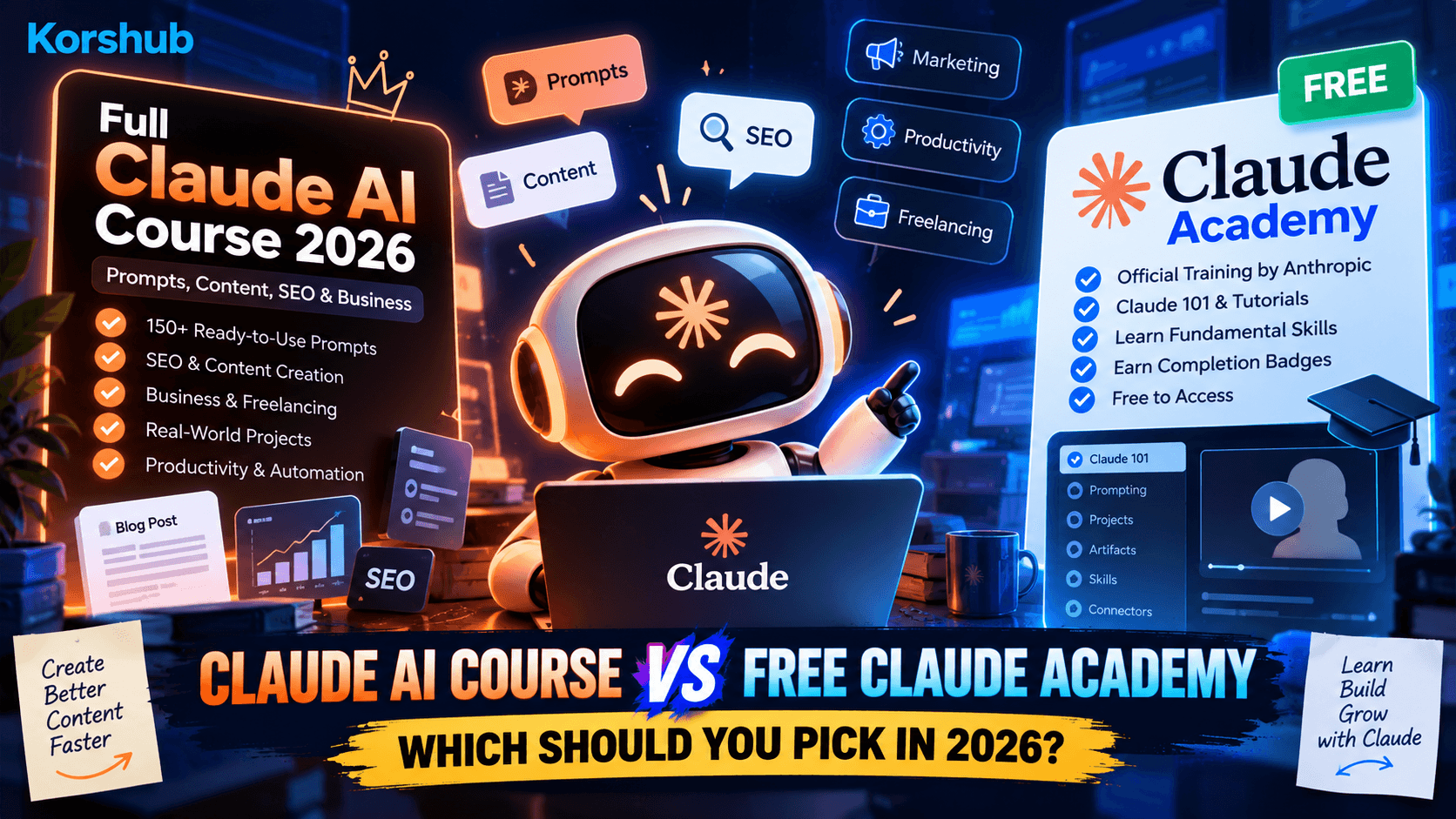
A free digital marketing course is a sensible starting point for beginners. Free training can introduce key concepts and help you decide whether you prefer SEO, content, social media, advertising or analytics. Official learning platforms from major marketing companies can also help you understand their tools and earn introductory certifications.
Paid courses may offer a structured curriculum, live support, feedback, mentorship and portfolio reviews. However, a higher price does not automatically mean better training. Compare the syllabus, instructor experience, practical assignments, update frequency and support before enrolling. Avoid programmes that promise guaranteed jobs, instant income or effortless results.
How to Choose the Best Digital Marketing Course
Start by defining your outcome. A broad online digital marketing course may suit a beginner, while someone pursuing a specialist role may need deeper training in SEO, performance marketing or analytics. Review the actual lessons instead of trusting descriptions such as “complete masterclass.”
Choose a programme that includes practical assignments. Useful projects include an SEO audit, content calendar, advertising plan, email sequence, landing-page review or campaign dashboard. Check whether the course covers current tools and practices, especially in AI, analytics, advertising and search. Instructor feedback or portfolio support can be especially valuable when you are preparing for employment or freelance work.
A recognized digital marketing certification course can strengthen your profile, but a certificate should not be your only evidence. Employers and clients also want to see how you research problems, make decisions and evaluate results. Build two or three focused case studies while studying.
Digital Marketing Career Opportunities
After developing the necessary skills, you can explore roles such as digital marketing executive, SEO specialist, content marketer, social media coordinator, email marketer, paid-media executive, ecommerce marketer or marketing analyst. With experience, professionals may progress into strategy, management, consulting or marketing operations.
Create a portfolio for the role you want. An SEO portfolio could contain keyword research, an audit and an optimized content brief. A paid-media portfolio could demonstrate campaign structure, advertisement variations and budget decisions. Explain the objective, your process, the result or expected measurement method, and what you would improve next.
A Simple 90-Day Learning Plan
During the first 30 days, learn audience research, funnels, positioning, SEO, content, email, paid media and basic analytics. From days 31 to 60, select one specialization and complete a practical project. During the final 30 days, improve that project, create additional portfolio samples and begin applying for suitable internships, jobs or freelance assignments.
Do not try to master every channel at once. Build a broad foundation, develop depth in one area and learn how it connects with other marketing activities. Consistent practice is more valuable than completing many courses without applying the lessons.
Is a Digital Marketing Course Worth It?
A digital marketing course is worth considering when it offers current lessons, practical projects and a clear connection to your career or business goals. It can organize a broad subject into a manageable learning path, but meaningful progress comes from applying what you learn.
Choose a course, practise with a realistic project, measure the outcome and improve your approach. If you are ready to find useful learning opportunities, explore courses on Korshub and select one that supports your next goal.