2. Apply for financial aid
Coursera offers financial aid on most certificate courses and Specializations, and approval is common. You fill out a short application explaining why you need it and how the course helps your goals, wait a couple of weeks, and — if approved — get the full paid experience, certificate included, for free. It's the single best route if you genuinely need the credential but can't pay for it.
3. Take the genuinely free courses
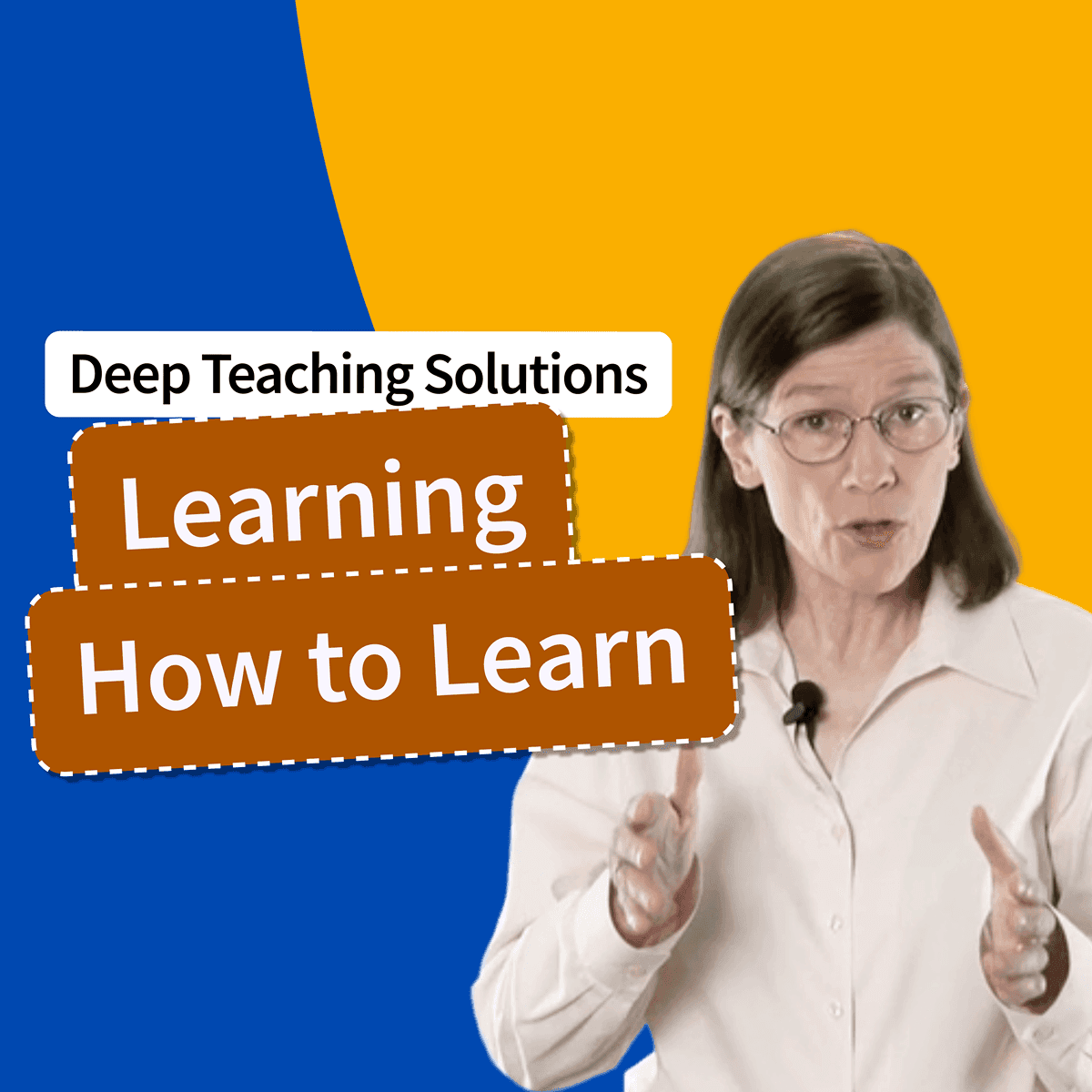
Some courses are free outright, no audit limitations. Yale's The Science of Well-Being and the excellent Learning How to Learn are perennial free favourites, and there are free introductions across marketing, career skills, and design too — Introduction to Social Media Marketing, English for Career Development, and Fundamentals of Graphic Design among them.
4. Use the 7-day free trial deliberately
Coursera Plus and most Specializations come with a 7-day free trial. If you can carve out a focused week, you can complete a shorter course or a big chunk of a Specialization — certificate and all — before the trial ends, then cancel. Plan the week before you start the clock, and set a reminder a day before it renews.
5. Check employer and university access
Plenty of companies and universities pay for Coursera for Business or Coursera for Campus and quietly offer free access to staff and students. It's worth a two-minute email to your L&D team, manager, or university library before you pay a cent — many people are sitting on free access they don't know about.
6. Free courses that pair with a certificate later
Audit the lectures of a free course now to learn the material, then only pay for the certificate if and when you actually need it for a job application. There's no rule that says you must decide on day one. Courses like AWS Cloud Technical Essentials let you learn free and upgrade later only if the credential becomes useful.
7. Time the paid path around the annual plan
If you know you'll finish two or more certificates in a year, the annual Coursera Plus plan (about $399, or roughly $33/month) is far cheaper per certificate than paying monthly. Combined with financial aid and audit mode for everything else, most learners can cover a serious year of study for very little.
Between auditing, financial aid, and free courses, most of Coursera's real value is available at no cost — the paywall is mostly for the certificate, not the learning.
Start with the fully-free options on the free courses page, and when you do decide a paid certificate is worth it, check the current deals first so you pay the least possible.