
edX
Powering Resilient Communities: A Holistic Approach to Food, Energy, and Water Security
CourseNo ratings yetBEGINNER
$249
See price →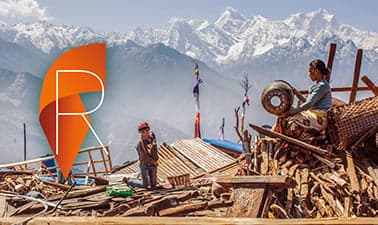 edX
edXPrice
No active coupon right now
View Course →No coupon right now. We'll tell you when there is one.
Mark your own learning status. Opening a course link does not establish enrollment.
Floods, earthquakes, and landslides kill thousands yearly and disrupt millions more. Technology—sensors, early-warning systems, satellite monitoring—can reduce that toll. But there's a catch: what works in Switzerland doesn't automatically work in Nepal or the Philippines. This course examines both the promise and the limits of science and technology in disaster risk reduction, with real examples from Global North and South contexts.
You'll learn about emerging technologies for detecting and responding to natural hazards, and crucially, how to adapt them to different economic and political realities. Disaster resilience isn't just technology—it's technology plus governance, community preparation, and realistic assessment of what's actually deployable.
Best for: Disaster risk managers, climate adaptation professionals, development workers, engineers, and policymakers in vulnerable regions.
This course aims to introduce participants to existing and emerging technologies suitable for disaster risk reduction while promoting the overall aim of sustainable development. The course focuses on three main natural hazards- floods, landslides and earthquakes. It also discusses the challenges and limits of adapting and adopting technologies depending on context (Global North and Global South) with examples from Switzerland, Nepal, Colombia, Philippines and other countries.
Image: “Earthquake in Nepal” by Asian Development Bank (www.adb.org) is licensed under BY-NC-ND 2.0 (permission granted 18 January 2016)
Advertisement
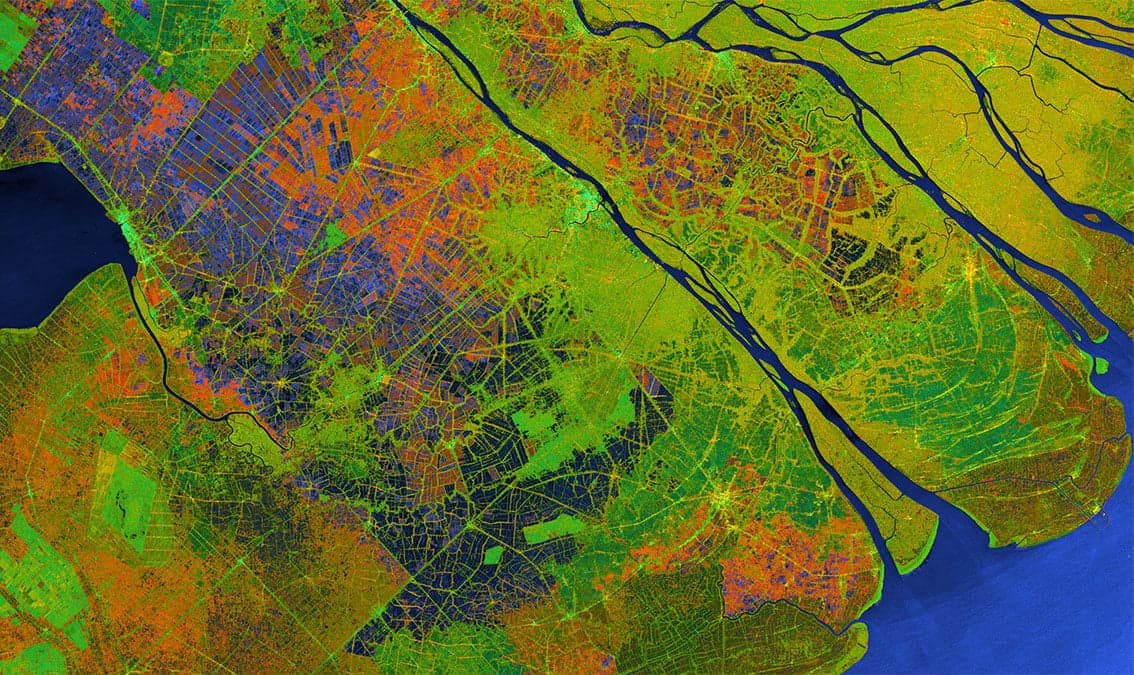
Powering Resilient Communities: A Holistic Approach to Food, Energy, and Water Security
Project Risk Management: Effective Decision Making Strategies


Climate-Neutral World: Theory, Applications and Taking Action


This is what we recorded in US pricing — not every price this course has ever had, and prices differ by country.