edX
Price
No active coupon right now
View Course →No coupon right now. We'll tell you when there is one.
Mark your own learning status. Opening a course link does not establish enrollment.
Disaster response teams need information fast—especially when clouds, rain, or smoke block optical satellites. Synthetic Aperture Radar (SAR) remote sensing penetrates those barriers, revealing terrain and hazard information in real time. This intermediate course teaches you the physics and mathematics of SAR, then applies it: flood mapping, landslide detection, volcano monitoring via interferometry. You'll analyze real disaster data sets and create actionable hazard maps for historical events. The verified track includes lab exercises in Jupyter Notebooks. Produced by Alaska Satellite Facility (NASA's NISAR data hub), this course prepares you for operational disaster management.
Remote sensing observations from airborne and spaceborne platforms have become an essential tool in disaster management. They provide an immediate and large-area overview of evolving disaster situations, revealing important hazard information to disaster response personnel.
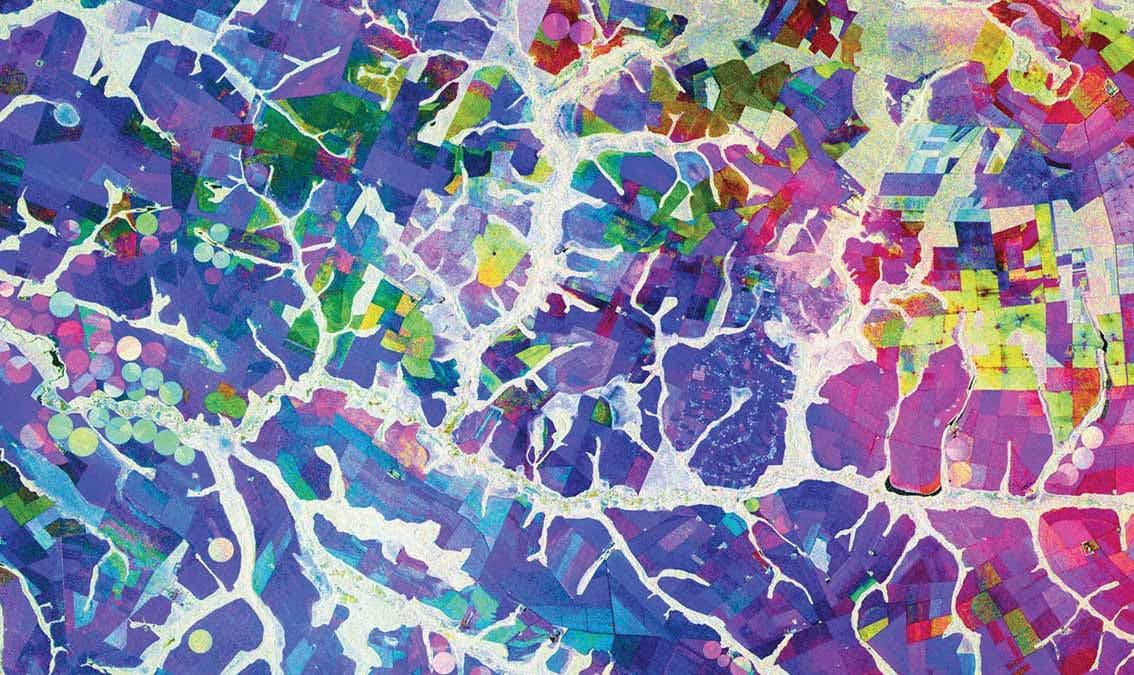
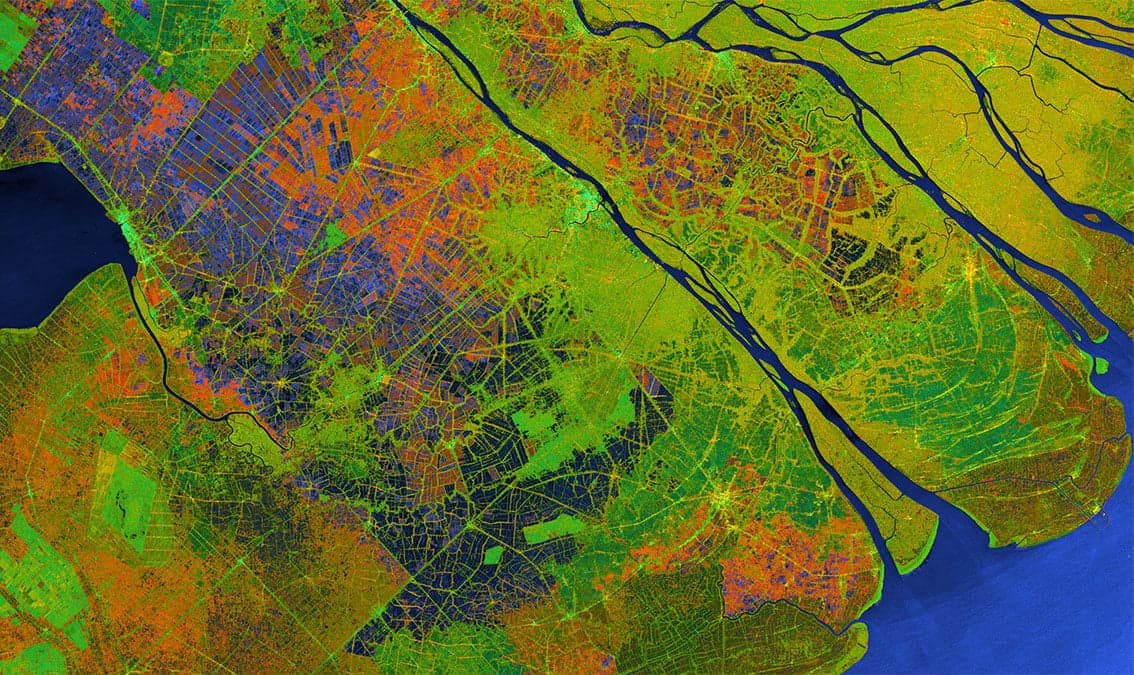
This course will introduce you to Synthetic Aperture Radar (SAR), a remote sensing technology that can see the earth surface even during darkness and through rain, clouds, or smoke. As a participant in this course, you will gain an intuitive understanding of the information contained in SAR earth observations and learn to use a range of analysis techniques and algorithms to apply SAR data to disaster mapping and management. Specific topics will include:
Learners registered for the verified track will additionally get the opportunity for hands-on lab exercises using Jupyter Notebooks. The verified track will also include peer discussions and a verified certificate upon successful completion.
This course is produced by the Alaska Satellite Facility at the University of Alaska Fairbanks, which has been selected as the NASA data hub for the upcoming NISAR mission.
Advertisement
A Resilient Future: Science and Technology for Disaster Risk Reduction
This is what we recorded in US pricing — not every price this course has ever had, and prices differ by country.