
Udemy
 edX
edXPrice
No active coupon right now
View Course →No coupon right now. We'll tell you when there is one.
Mark your own learning status. Opening a course link does not establish enrollment.
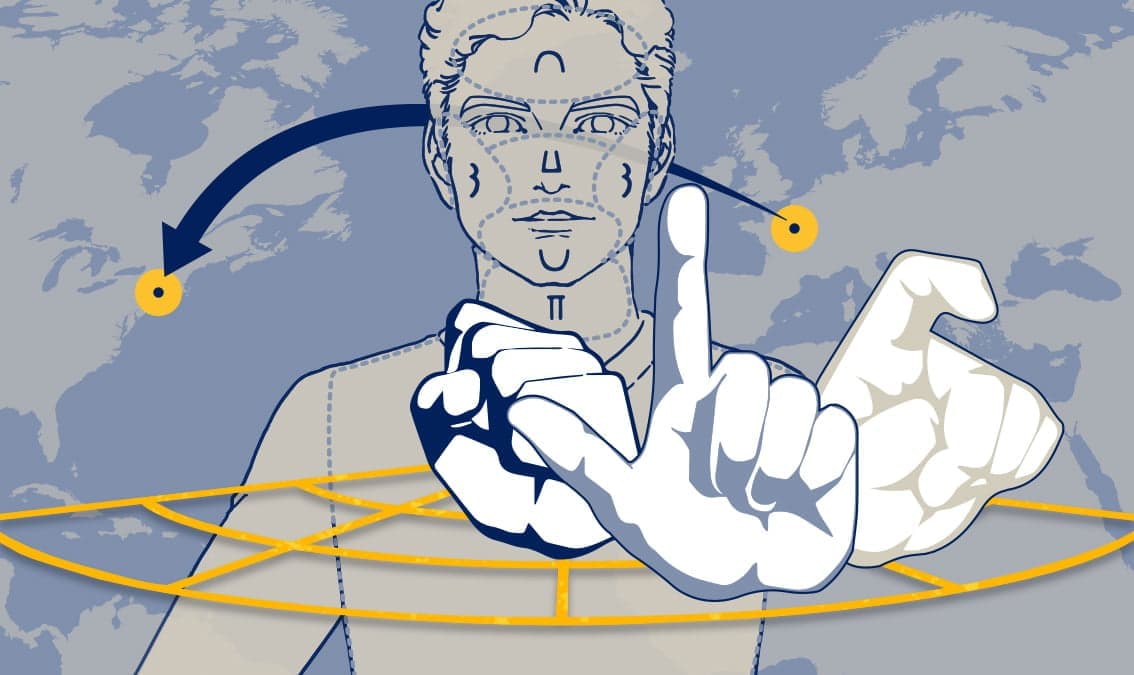
This course treats ASL as a full language—not a transcription of English in signs. You'll explore how ASL grammar emerged from natural gesture, how it varies across regions and communities, and what constraints the visual and motoric nature of signing places on the system. By comparing ASL to spoken languages and other signed languages, the course illuminates universal principles of human language as well as features unique to the signing modality.
Ideal for linguists, ASL students, educators, and anyone curious about how language structure adapts to different channels of production and perception.
Identify the historical origins in natural gesture for the emergence of ASL grammar. ,Describe the degree and types of structural variation within ASL, considering the possible influences from its contacts with other signed and spoken languages. ,Discuss the role of visual analogy in learning ASL, considering the possible linguistic universals for signed languages. ,List ways in which language specific variation and historical change for signed languages may compare and contrast to those for spoken languages. ,Describe the visual, motoric, and cognitive constraints which may give rise to these phenomena.
Advertisement




Corpus linguistics and new technologies: data, language and society
Not the best price we've seen. The lowest we've recorded is $464.40 on 1 Aug.
This is what we recorded in US pricing — not every price this course has ever had, and prices differ by country.