edX
Price
No active coupon right now
View Course →No coupon right now. We'll tell you when there is one.
Mark your own learning status. Opening a course link does not establish enrollment.
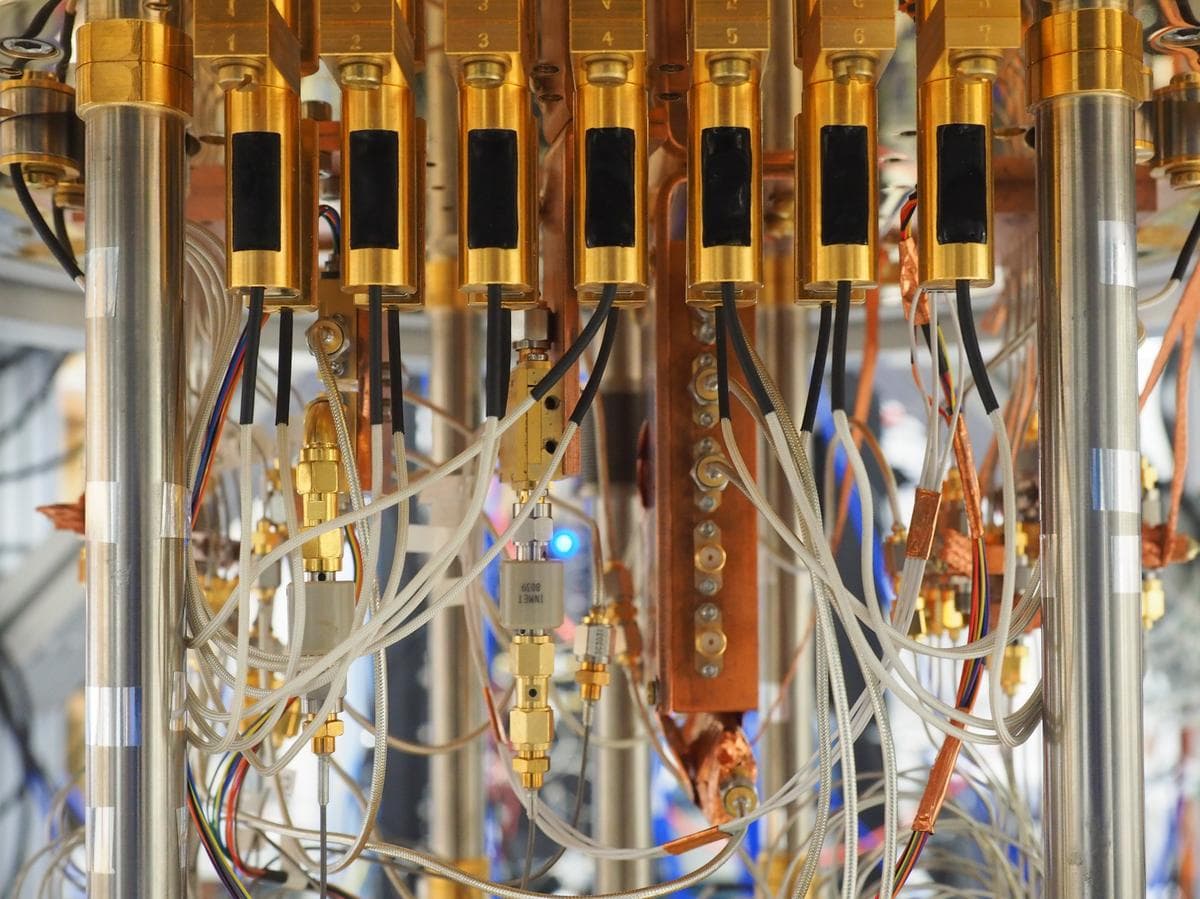
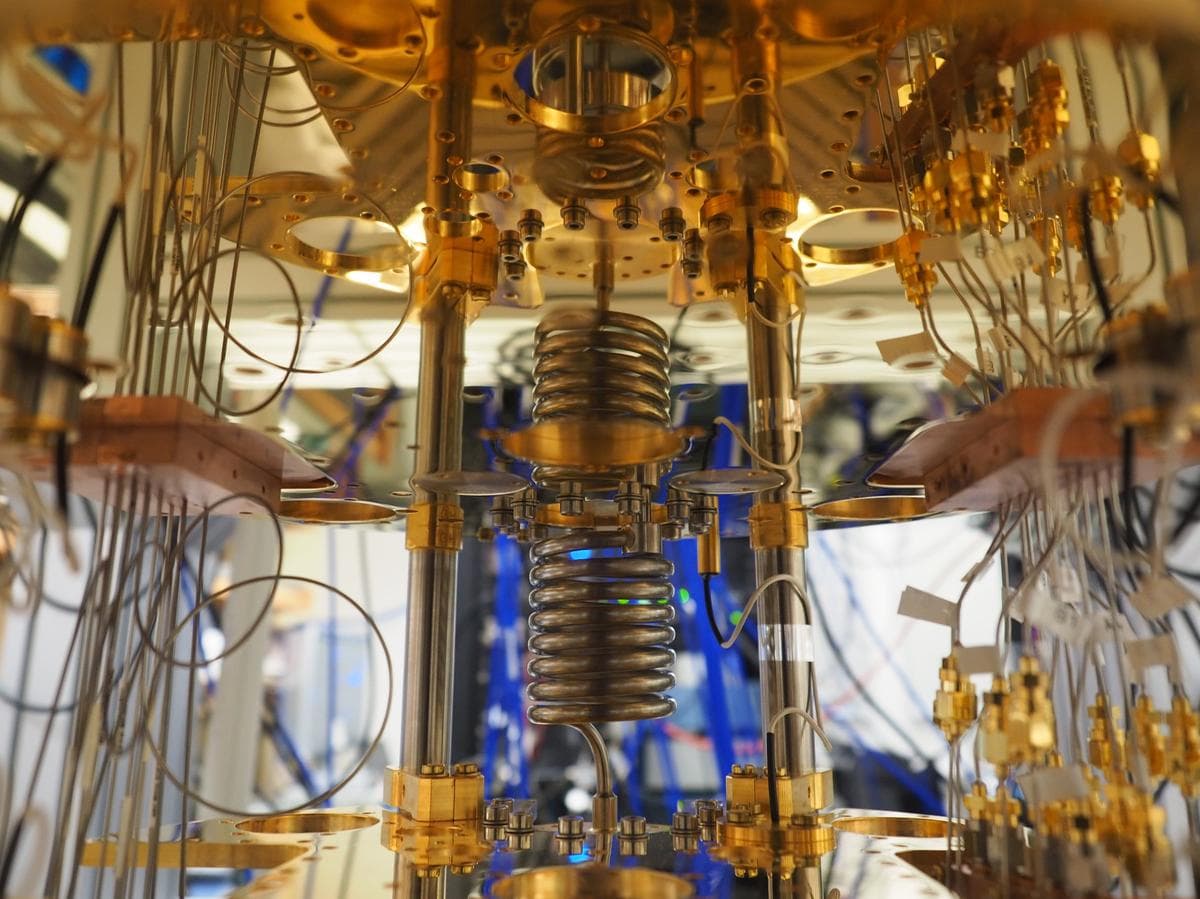
Part 2 of the Quantum Computing series assumes you've mastered fundamentals: quantum mechanics postulates, gate-based computing, error correction, and NISQ-era applications. Now you'll explore the hardware platforms where theory becomes physical reality.
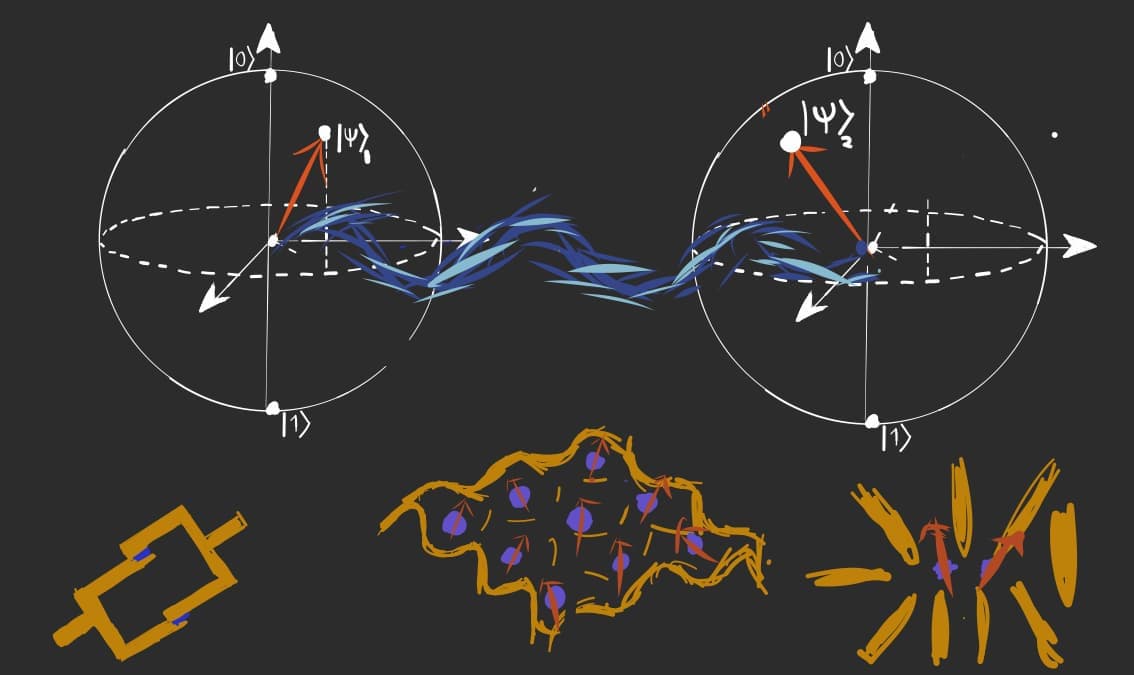
The course surveys three leading platforms—superconductor-based qubits, atom/ion traps, and spin systems—examining how qubits are defined in each, manipulated, interconnected, and where errors arise. You'll understand the trade-offs between platforms and why certain architectures dominate certain problems.
For: engineering and natural science students, professionals developing quantum technologies.
This course is part 2 of the series of Quantum computing courses, which covers aspects from fundamentals to present-day hardware platforms to quantum software and programming.
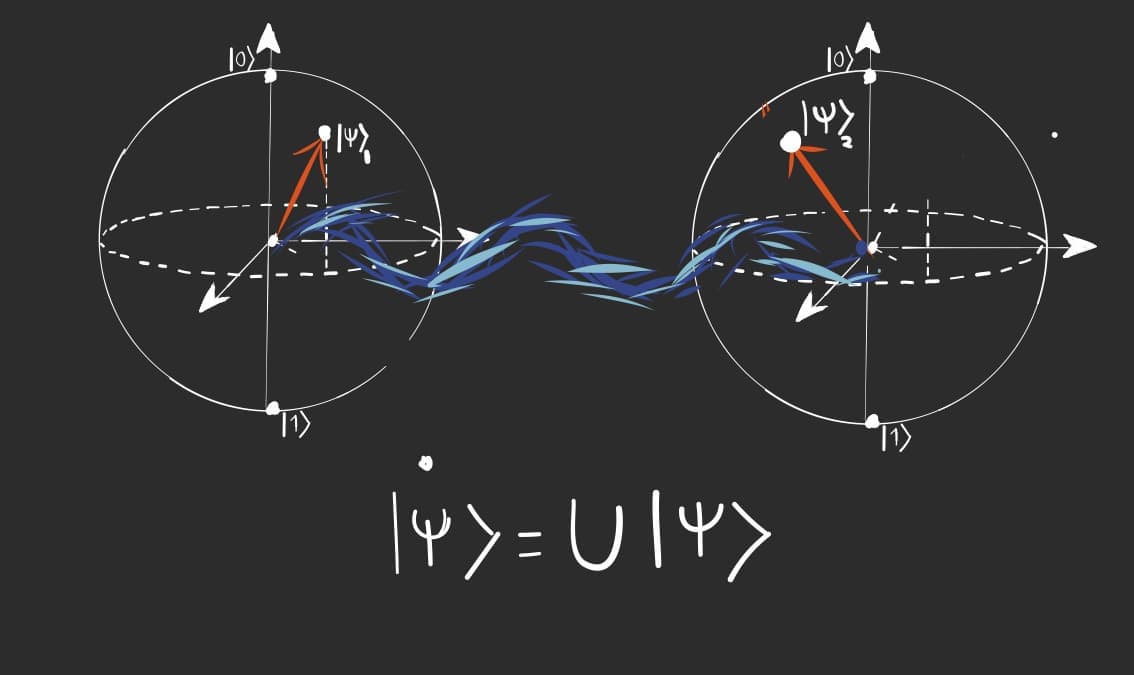
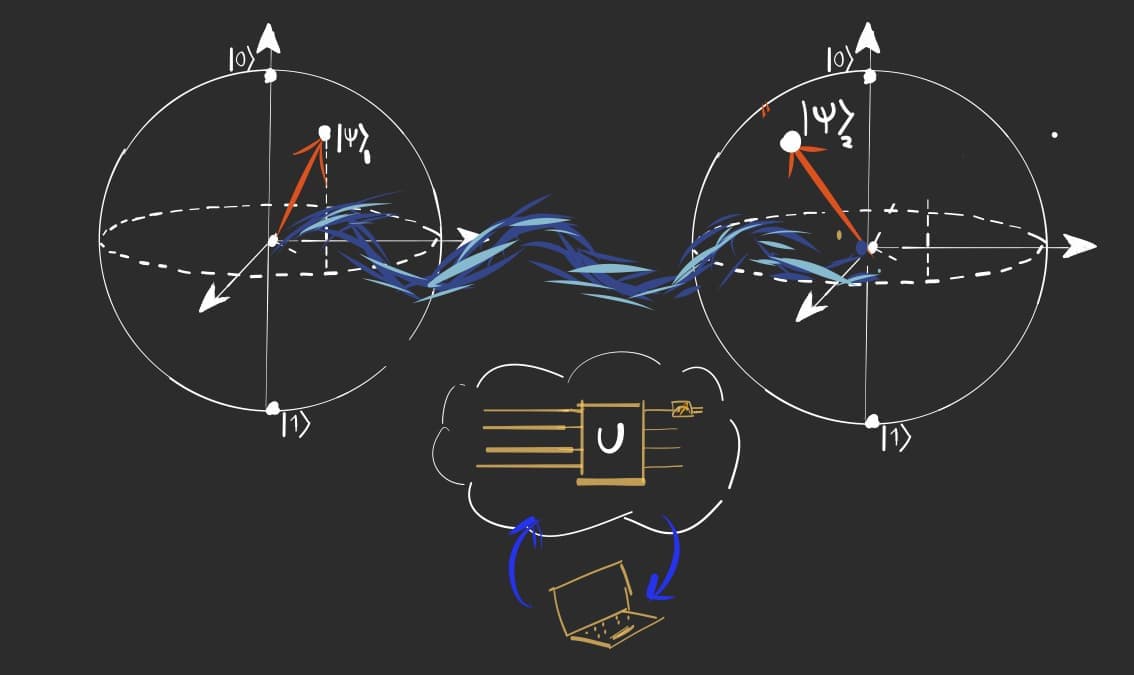
The goal of part 2 is to provide the essential understanding of how the fundamental quantum phenomena discussed in part 1 can be realized in various material platforms and the underlying challenges faced by each platform. To this end, we will focus on how quantum bits (qubits, the building block of quantum information processing) can be defined in each platform, how such qubits are manipulated and interconnected to form larger systems, and the sources of errors in each platform.
With an emphasis on present-day leading candidates, we will discuss following specific quantum material platforms:
The material will appeal to engineering students, natural sciences students, and professionals whose interests are in using and developing quantum information processing technologies.
Attention:
Quantum Computing 1: Fundamentals is an essential prerequisite to Quantum Computing 2: Hardware and Quantum Computing 3: Algorithm and Software. Learners should plan to complete Fundamentals (1) before enrolling in the Hardware (2) or the Algorithm and Software (3) courses.
Alternatively, learners can enroll in courses 2 or 3 if they have solid experience with or knowledge of quantum computing fundamentals, including the following: 1) postulates of quantum mechanics; 2) gate-based quantum computing; 3) quantum errors and error correction; 3) adiabatic quantum computing; and 5) quantum applications and NISQ-era.
Advertisement
This is what we recorded in US pricing — not every price this course has ever had, and prices differ by country.
Quantum Computer Systems Design II: Principles of Quantum Architecture
Applied Quantum Computing III: Algorithm and Software
Quantum 301: Quantum Computing with Semiconductor Technology
Quantum Computer Systems Design III: Working with Noisy Systems
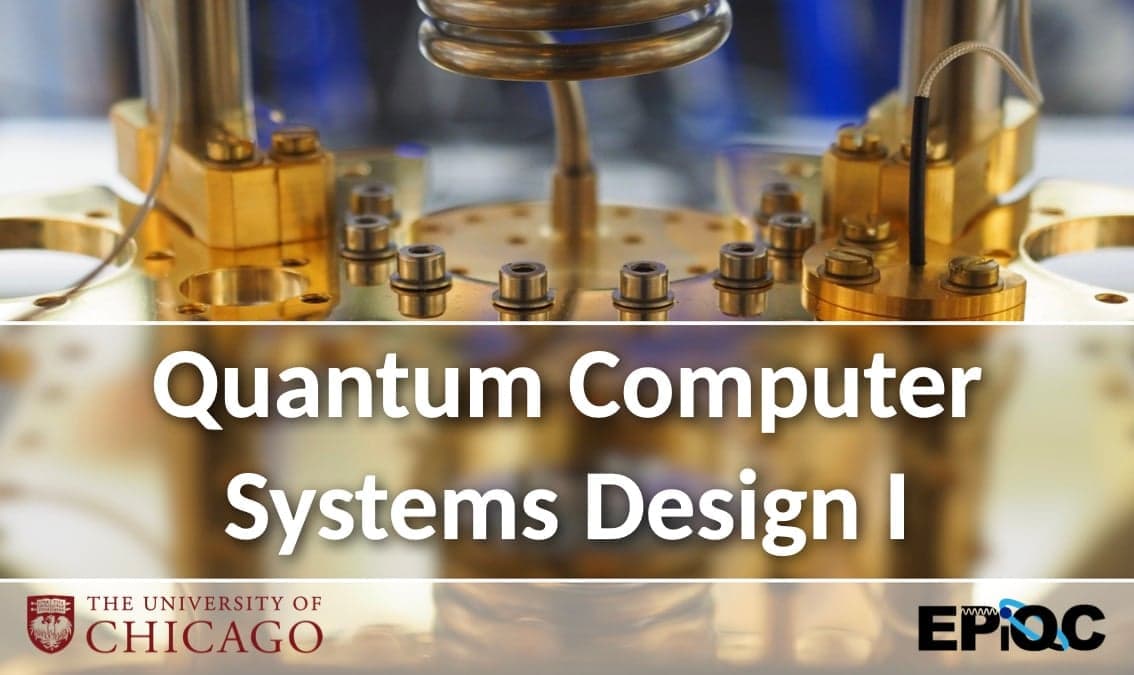
Quantum Computer Systems Design I: Intro to Quantum Computation and Programming