edX
Price
No active coupon right now
View Course →No coupon right now. We'll tell you when there is one.
Mark your own learning status. Opening a course link does not establish enrollment.
Quantum computing moves from theory to application through algorithms that exploit quantum phenomena. This advanced course covers canonical algorithms (Fourier transform, Shor's factorization) and modern applications (optimization, chemistry simulation, machine learning) on NISQ-era hardware. Hands-on labs let you run actual quantum code on cloud-based quantum computers, bridging the gap between quantum theory and near-term quantum advantage. Prerequisite: Quantum Computing fundamentals.
This course is part III of the series of Quantum computing courses, which covers aspects from fundamentals to present-day hardware platforms to quantum software and programming.
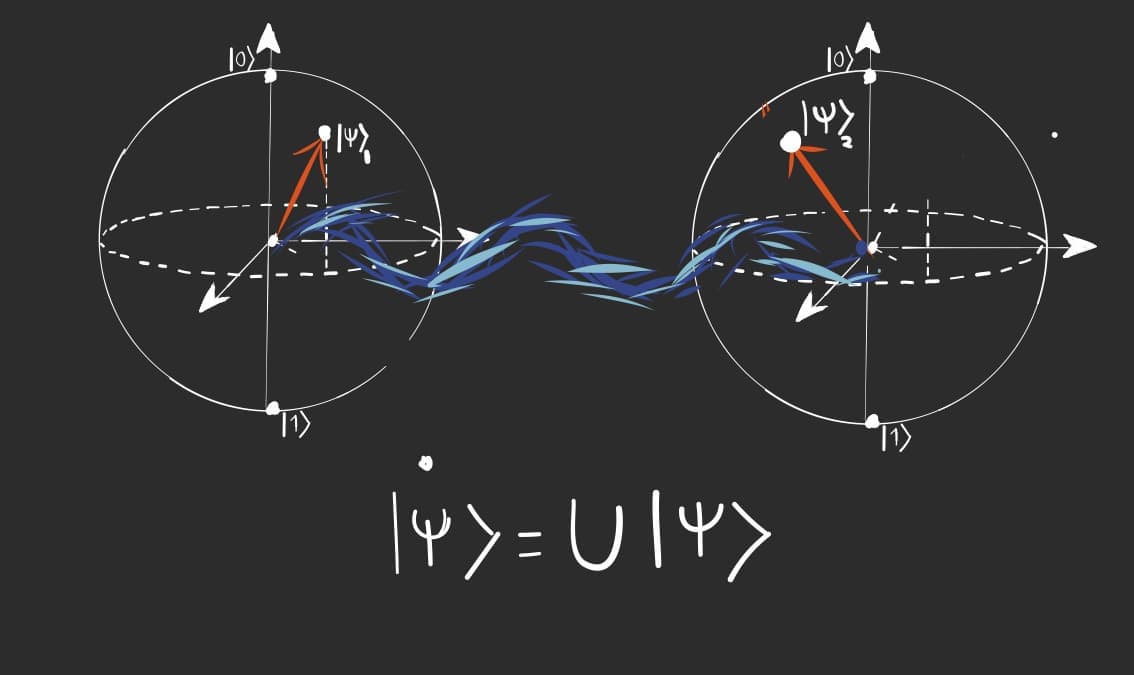
The goal of part III is to discuss some of the key domain-specific algorithms that are developed by exploiting the fundamental quantum phenomena (e.g. entanglement)and computing models discussed in part I. We will begin by discussing classic examples of quantum Fourier transform and search algorithms, along with its application for factorization (the famous Shor’s algorithm). Next, we will focus on the more recently developed algorithms focusing on applications to optimization, quantum simulation, quantum chemistry, machine learning, and data science.
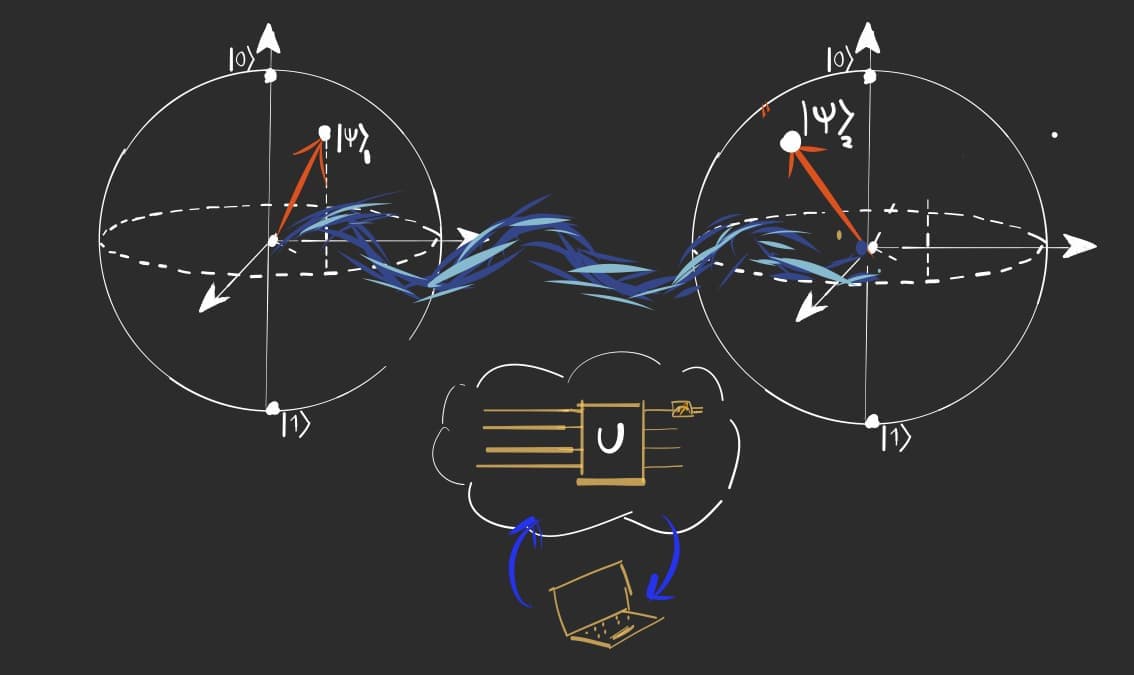
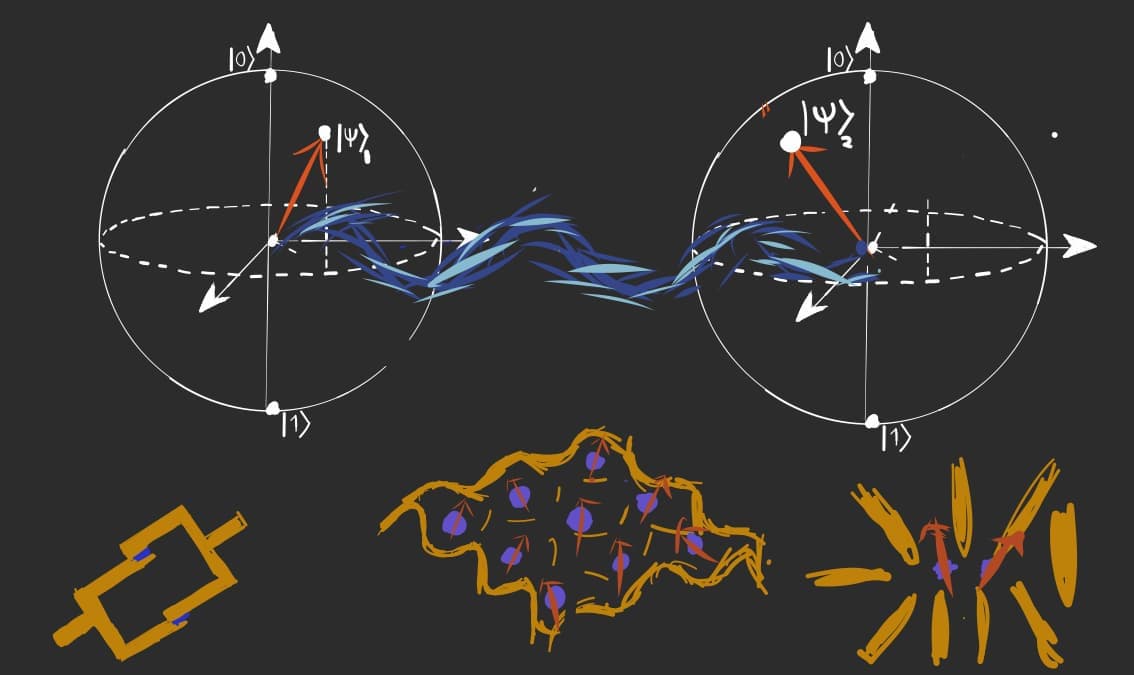
A particularly exciting recent development has been the emergence of near-intermediate scale quantum (NISQ) computers. We will also discuss how these machines are driving new algorithmic development. A key aspect of the course is to provide hands-on training for running (few qubit instances of) the quantum algorithms on present-day quantum hardware. For this purpose, we will take advantage of the availability of cloud-based access to quantum computers and quantum software.
The material will appeal to engineering students, natural sciences students, and professionals whose interests are in using as well as developing quantum technologies.
Attention:
Quantum Computing 1: Fundamentals is an essential prerequisite to Quantum Computing 2: Hardware and Quantum Computing 3: Algorithm and Software. Learners should plan to complete Fundamentals (1) before enrolling in the Hardware (2) or the Algorithm and Software (3) courses.
Alternatively, learners can enroll in courses 2 or 3 if they have solid experience with or knowledge of quantum computing fundamentals, including the following: 1) postulates of quantum mechanics; 2) gate-based quantum computing; 3) quantum errors and error correction; 3) adiabatic quantum computing; and 5) quantum applications and NISQ-era.
Advertisement
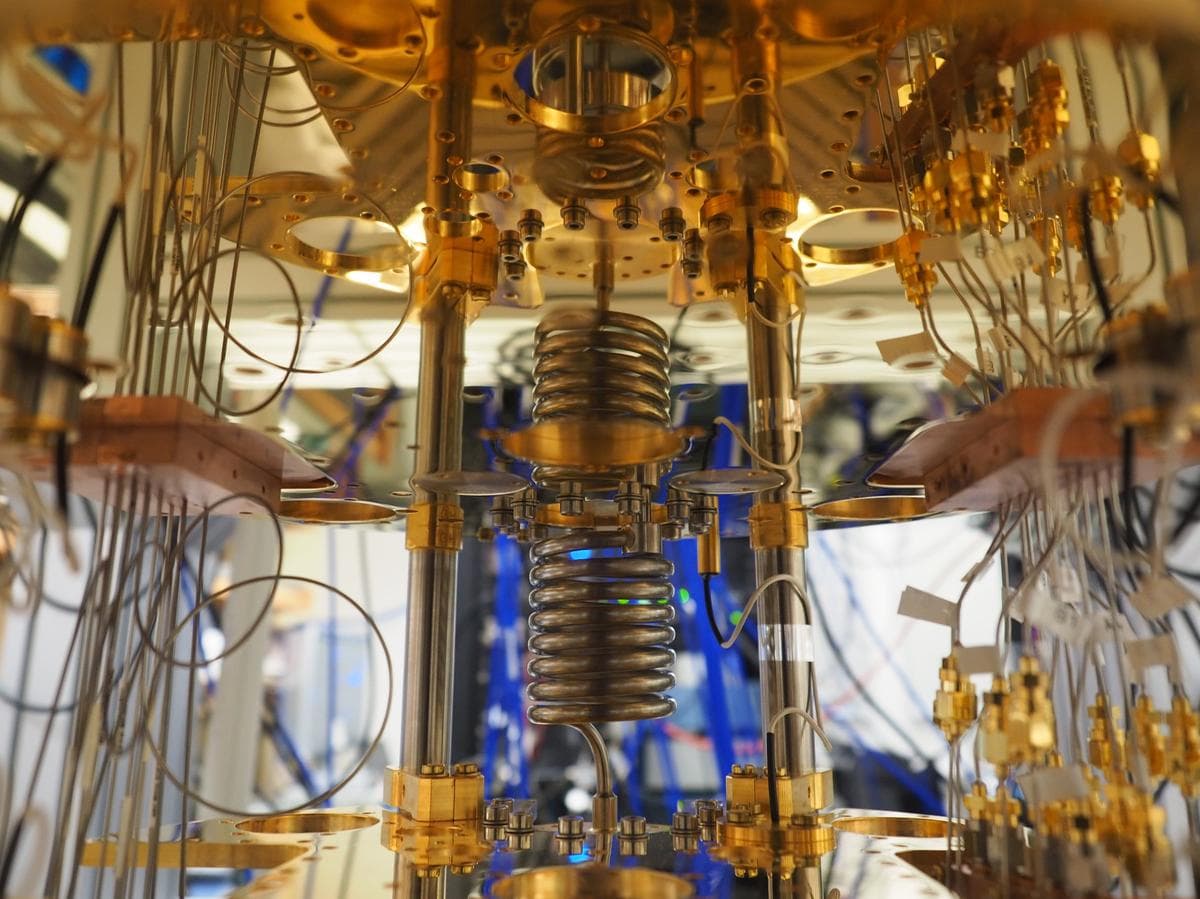
Quantum Computer Systems Design III: Working with Noisy Systems
Quantum Computer Systems Design I: Intro to Quantum Computation and Programming
Quantum 301: Quantum Computing with Semiconductor Technology
This is what we recorded in US pricing — not every price this course has ever had, and prices differ by country.