edX
Fundamentals of Biomedical Imaging: Magnetic Resonance Imaging (MRI)
CourseNo ratings yet173ADVANCED
$259
Price
No active coupon right now
View Course →No coupon right now. We'll tell you when there is one.
Mark your own learning status. Opening a course link does not establish enrollment.
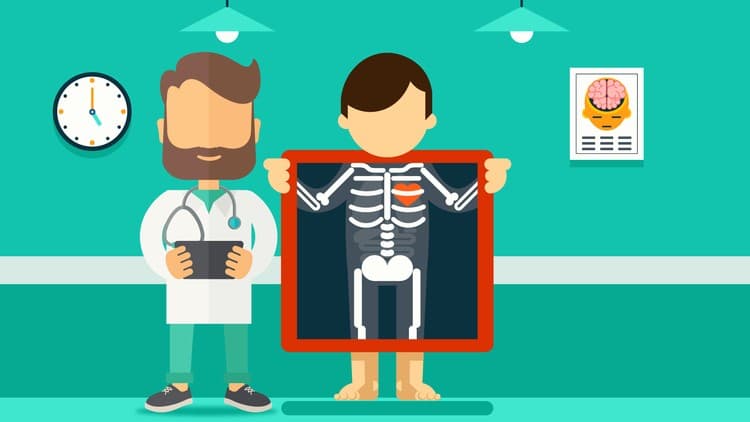
Medical imaging—ultrasound, X-ray, CT, PET—works because of physics. This course reveals the machinery: how X-rays interact with tissue, how scanners create images, and why each modality excels at certain tasks and fails at others. You'll understand not just that a PET scan detects cancer, but why it can, and what tradeoffs come with that power.
Practical examples and biological safety considerations ground the physics. For anyone training in medicine, biomedics, or physics wanting to understand how modern diagnosis really works.
This physics course covers the physical principles of major in vivo bio-imaging modalities and the different imaging techniques.
After a short study of ultrasound imaging, you will learn about the different X-ray imaging techniques. The understanding of the interaction of X-rays with tissue will lead to the study of three different techniques:
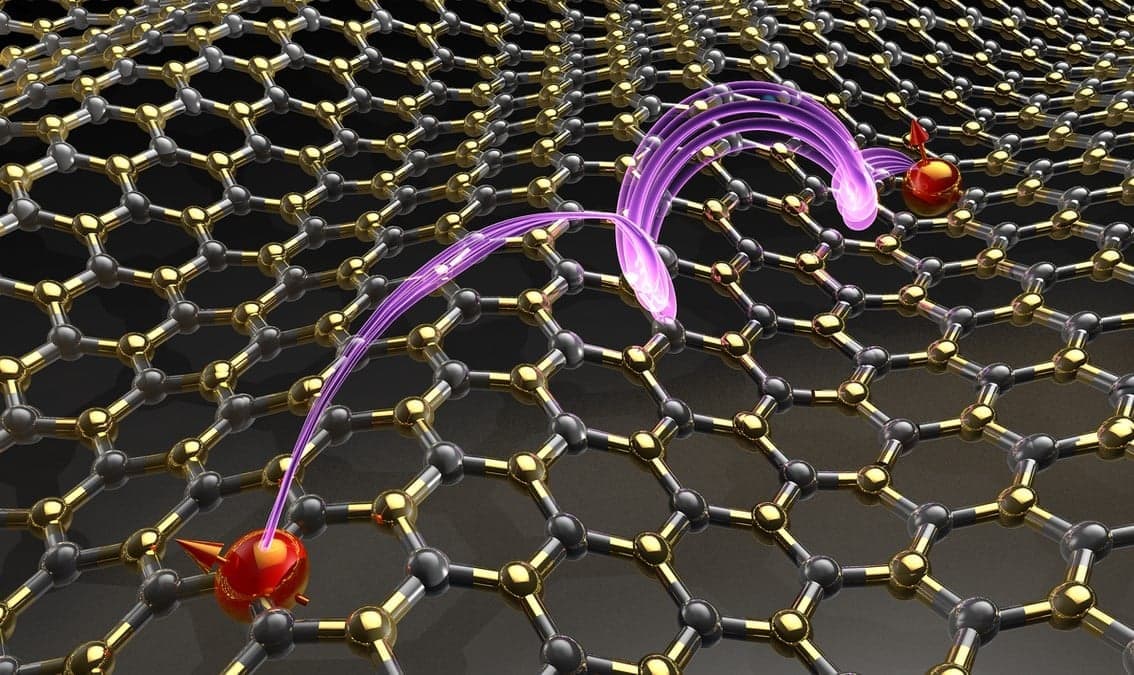
This course shows how existing physical principles transcend into bio-imaging and establish an important link into life sciences, illustrating the contributions physics can make to life sciences. Practical examples will be shown to illustrate the respective imaging modality, its use, premise and limitations, and biological safety will be touched upon.
During this course, you will develop a good understanding of the mechanisms leading to tissue contrast of the bio-imaging modalities covered in this course, including the inner workings of the scanner and how they define the range of possible biomedical applications. You will be able to judge which imaging modality is adequate for specific life science needs and to understand the limits and promises of each modality.
To learn more about biomedical imaging, join us in the second part of this course Biomedical Imaging: Magnetic Resonance Imaging (MRI).
Advertisement
Fundamentals of Biomedical Imaging: Magnetic Resonance Imaging (MRI)


This is what we recorded in US pricing — not every price this course has ever had, and prices differ by country.