Udemy
 Udemy
UdemyMark your own learning status. Opening a course link does not establish enrollment.
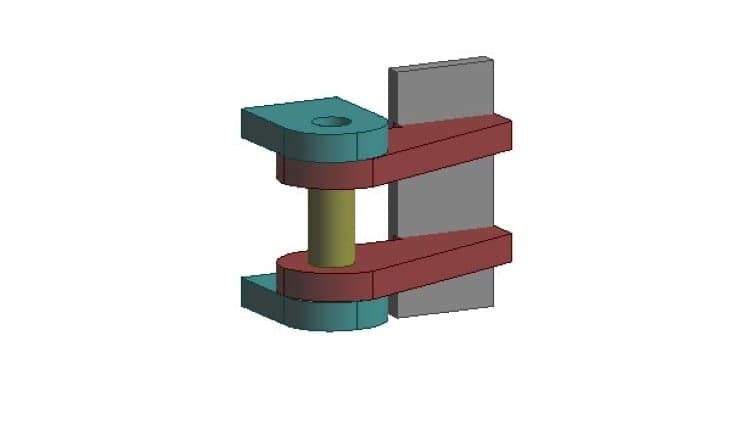
This intermediate course walks through building a 3D BIM model of a steel door hinge system in Prokon Sumo, covering the full workflow from project debrief through modeling, analysis, and reporting. It's a follow-up to a more basic Prokon Sumo course, and here the focus shifts to modeling small, geometrically complex components like odd-shaped plates.
The course explains why plate thickness matters structurally, balancing strength, deflection control, safety, and cost, rather than treating it as an arbitrary input.
Best for: design engineers already familiar with Prokon Sumo basics who want to practice modeling smaller, more intricate structural components.
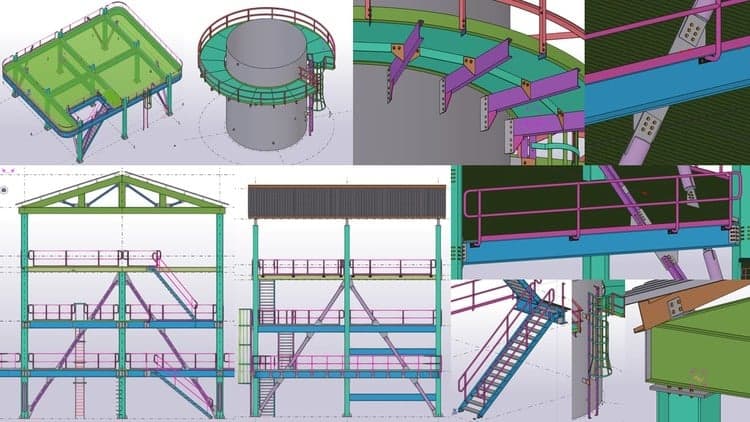
The Intermediate Structural Steel Prokon Sumo Modeling course focuses on creating a 3D BIM model of a steel door hinge system using the latest generation of analysis and design tool, Prokon Sumo. The course covers the entire modeling process, from project debriefing to reporting.
In the project debrief, the needs of the client are evaluated, and the objectives of the modeling project are established. The modeling phase provides a step-by-step guide to creating the door hinge model. During the analyzing phase, the results of the model are analyzed. Finally, in the reporting phase, the model is reported using the built-in Prokon reporting tools.
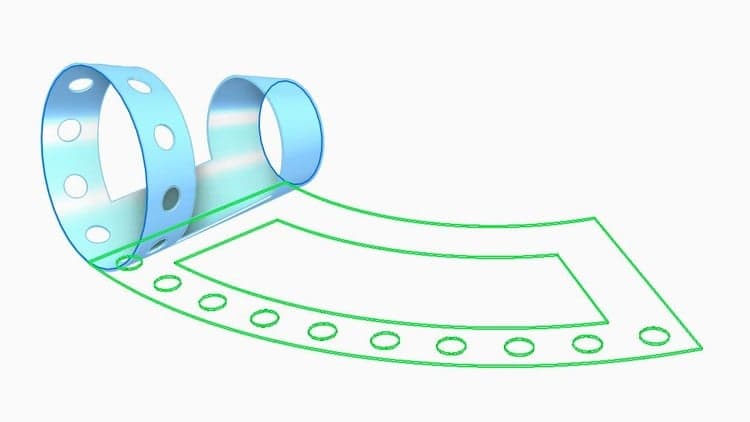
The course emphasizes the modeling of small, yet complex components, such as odd-shaped plates. Attention is given to the plate thickness and how it affects the load capacity of the door hinge.
Why is the plate thickness important?
Plate thickness must be calculated to provide enough strength to resist forces while minimizing deflection. Deflection is a critical factor in designing structural steel components as it affects the stability and safety of the structure. Excessive deflection from a thin plate can lead to structural failure, while a thick plate is unnecessarily heavy and increases cost without providing additional benefit. To control deflection, the designer must consider factors such as expected loads, span length, and support conditions and aim to achieve an appropriate plate thickness that meets the intended purpose, is safe, and cost-effective.
By the end of the course, participants will have gained the skills to use Prokon Sumo modeling in their daily work as a design engineer, allowing them to incorporate this powerful tool into their design process.
For a basic structural steel model please refer to the Basic Structural Steel Prokon Sumo Modeling course.
Advertisement