Udemy
Price
No active coupon right now
View Course →No coupon right now. We'll tell you when there is one.
Mark your own learning status. Opening a course link does not establish enrollment.
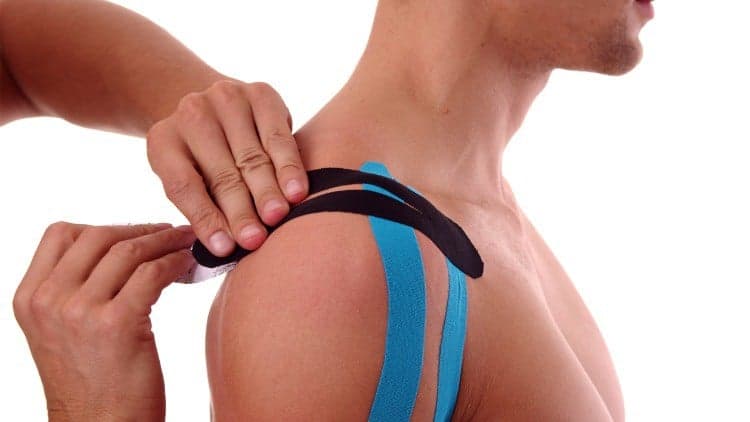
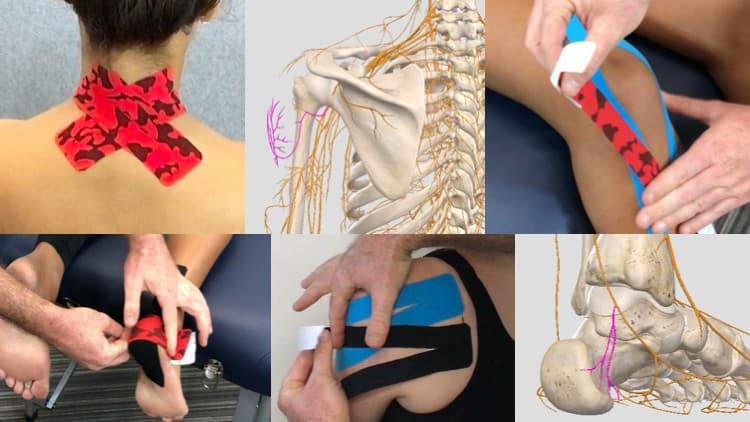
Traditional kinesiology taping courses claim tape "activates" or "inhibits" muscles. This course challenges that premise with modern neuroscience. The primary tissue affected isn't muscle—it's skin, a richly innervated sensory organ with deep nervous system connections that influence perception, comfort, and movement. You'll learn skin anatomy (layers, nerve supply) and how cutaneous stimulation modulates sensation and movement. The course frames taping as a supportive strategy, never a cure or standalone treatment, grounding applications in a dermoneuromodulatory and sensory-based rationale. Emphasis falls on realistic expectations, safe self-application, and avoiding overstated claims—a refreshing departure from courses that overstate tape's mechanical effects.
This course has been developed based on current understandings in anatomy, physiology, neurophysiology, neuroscience, and contemporary pain science. It provides a clear and structured introduction to kinesiology taping, beginning with its historical development and evolving use in clinical and sporting contexts.
Rather than presenting taping as a technique designed to “activate” or “inhibit” specific muscles, this course encourages a more modern and anatomically grounded perspective. Many traditional kinesiology taping courses continue to emphasise muscle-based effects, despite limited evidence supporting the ability of tape to selectively influence muscle function in a direct or mechanical way.
In contrast, this course explores the idea that the primary tissue affected by kinesiology taping is the skin. The skin is a richly innervated sensory organ with extensive connections to the nervous system, and it plays an important role in sensory input, movement perception, and symptom modulation. You will be introduced to the basic anatomy of the skin, its layers, and its sensory nerve supply, with discussion focused on how cutaneous stimulation may influence perception, comfort, and movement.
The course presents kinesiology taping as a supportive strategy, not a cure or standalone treatment. Practical applications are framed within a dermoneuromodulatory and sensory-based rationale, aiming to help users understand why tape may be applied in certain ways and when its use may or may not be appropriate.
Throughout the course, emphasis is placed on realistic expectations, safe self-application, and avoiding exaggerated claims. The goal is to provide learners with a practical, evidence-informed understanding of kinesiology taping that can be used thoughtfully and responsibly in real-world situations.
Advertisement



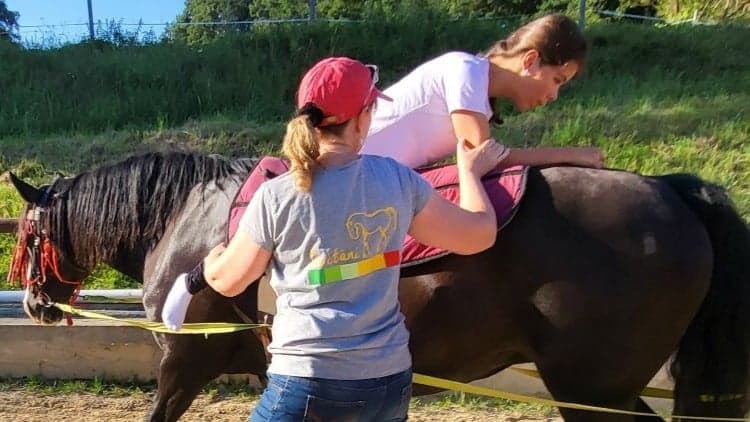
Equine Assisted Physiotherapy: Movement and Neuroplasticity
Not the best price we've seen. The lowest we've recorded is $9.99 on 18 Aug.
This is what we recorded in US pricing — not every price this course has ever had, and prices differ by country.