YouTube
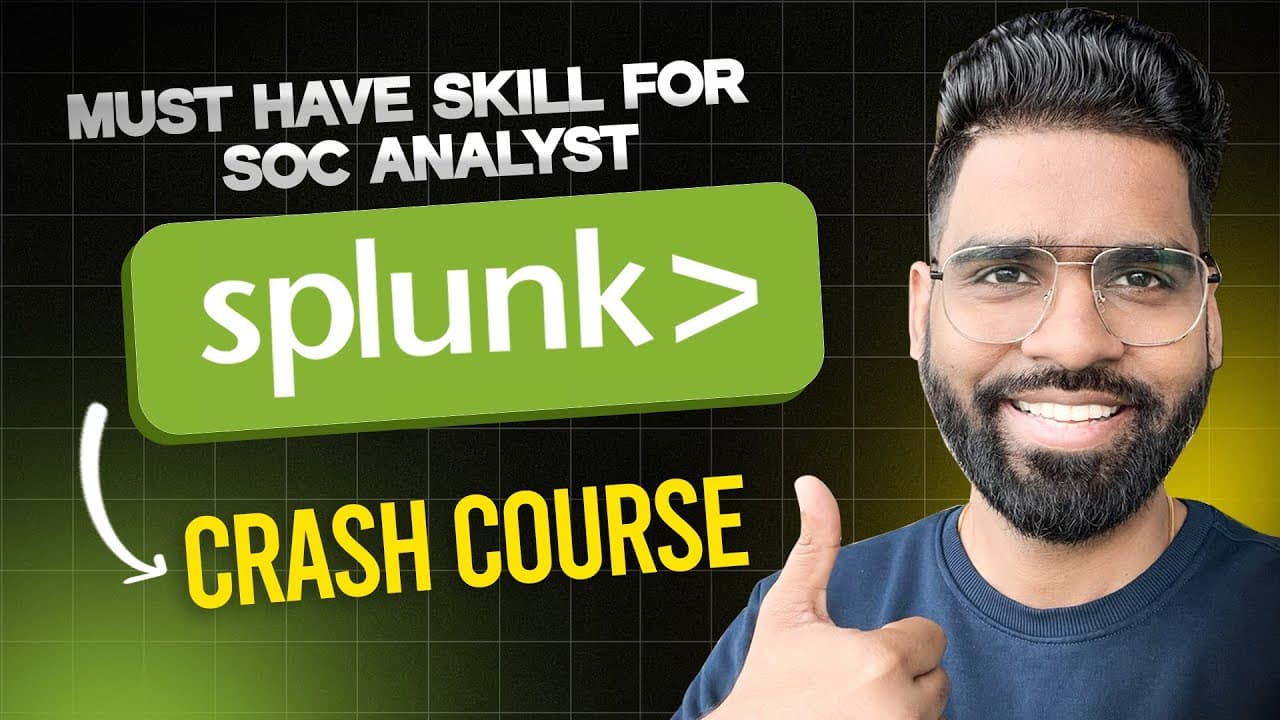
FreeSplunk SIEM Crash Course | Free Spunk Training for Security Analyst
CourseNo ratings yetBEGINNER
Free

Mark your own learning status. Opening a course link does not establish enrollment.
Loading saved status…
This intermediate Udemy course walks through building a home security lab from the ground up. The lab includes a SIEM, an intrusion detection system, a hacking machine and a target machine, all set up around AlienVault's open-source OSSIM platform.
The description says the material is getting dated, so verify version-specific steps against current OSSIM documentation before following them. Building the environment yourself is where most of the SIEM learning happens, so budget time for the setup steps.
By the end of this free course, you'll have a functioning home security lab, complete with a:
Security Incident Event Managements System
Intrusion Detection System
Hacking Machine
Target Machine
You will also know how to setup AlienVault's OSSIM (Open Source Security Information and Event Management) from the ground up!
This lab environment is great for a resume or portfolio site, understanding SIEM technology, and developing skill to be a stand out analyst. Whether you're just trying to learn or already have a job in a Security Operations Center, a home lab is the best way to get hands on skills.
For any questions or course requests, feel free to reach out to me directly via my profile page.
Thanks for checking out my AlienVault course! This course is getting a bit outdated. You will get a lot more out of my new course here: https://www.udemy[.]com/course/detection-engineering-masterclass-part-1/?referralCode=FE6EF7B50369EABD9D7D
Excerpt from that course description: "This course will first teach the theory behind security operations and detection engineering. We’ll then start building out our home lab using VirtualBox and Elastic’s security offering. Then we’ll run through three different attack scenarios, each more complex than the one prior. We’ll make detections off of our attacks, and learn how to document our detections. Next we’ll dive more into coding and Python by writing validation scripts and learning out to interact with Elastic through their API. Wrapping everything up, we’ll host all our detections on GitHub and sync with Elastic through our own GitHub Action automations. As a cherry on top, we’ll have a final section on how to write scripts to gather important metrics and visualizations."
Advertisement
Splunk SIEM Crash Course | Free Spunk Training for Security Analyst


Hands-On Cybersecurity and Ethical Hacking – Full Course


Cisco VPNs with GNS3 Labs: Practical GRE, IPSec, DMVPN labs
No Korshub reviews yet.