edX
Resilient Energy Systems for Sustainable Communities
CourseNo ratings yet286BEGINNER
$498
 edX
edXPrice
No active coupon right now
View Course →No coupon right now. We'll tell you when there is one.
Mark your own learning status. Opening a course link does not establish enrollment.
The electric grid is evolving from a one-way broadcast to a dynamic network integrating solar, wind, storage, and demand response. Microgrids are the building blocks of this transformation—systems that can operate independently or connected, balancing supply with demand in real time. This course covers design from first principles through implementation, grounded in real-world systems from Alaska to beyond.
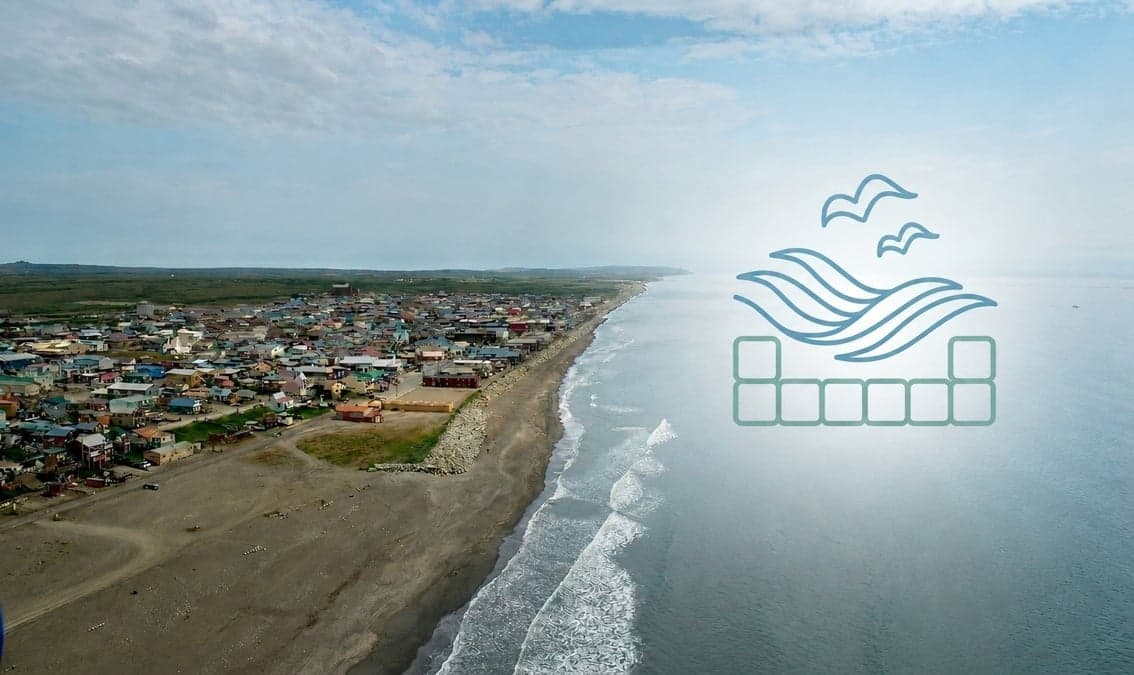
Learn from actual deployments: Kodiak Island's 100% renewable transition via wind and hydroelectric storage, Cordova's hierarchical control strategies, and smaller communities pioneering innovative solutions. Emphasizing both technical fundamentals and community-centric resilience, the course positions you to design energy systems for the next generation.
The electric grid of the future will need to be more resilient, decentralized, and capable of integrating more distributed energy resources including on-site renewable energy technologies, energy storage and even electric vehicle (EV) charging. Microgrids are an important building block in designing this sustainable grid architecture of the future. This course covers fundamental concepts of microgrid design from a community-centric perspective and emphasizes a holistic approach to energy systems management.
This course:
Alaska is an early adopter of microgrids that integrate renewable energy due to economic necessity, with over 100 systems representing the largest installed capacity of any U.S. state. Alaska is home to microgrids that are constantly evolving to take advantage of new technologies and integration approaches. The University of Alaska Fairbanks works closely with communities, utilities, and developers across the state – and around the world – in designing and developing robust, cost-effective, and resilient energy solutions based on distributed energy resources (DER) and microgrid system architectures.
Specific real-world systems that will be explored include:
Advertisement
This is what we recorded in US pricing — not every price this course has ever had, and prices differ by country.
Resilient Energy Systems for Sustainable Communities

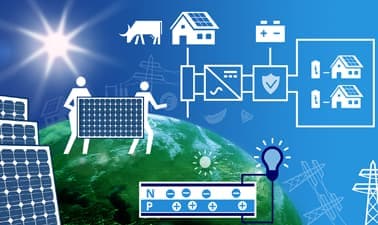

Powering Resilient Communities: A Holistic Approach to Food, Energy, and Water Security